Introduction
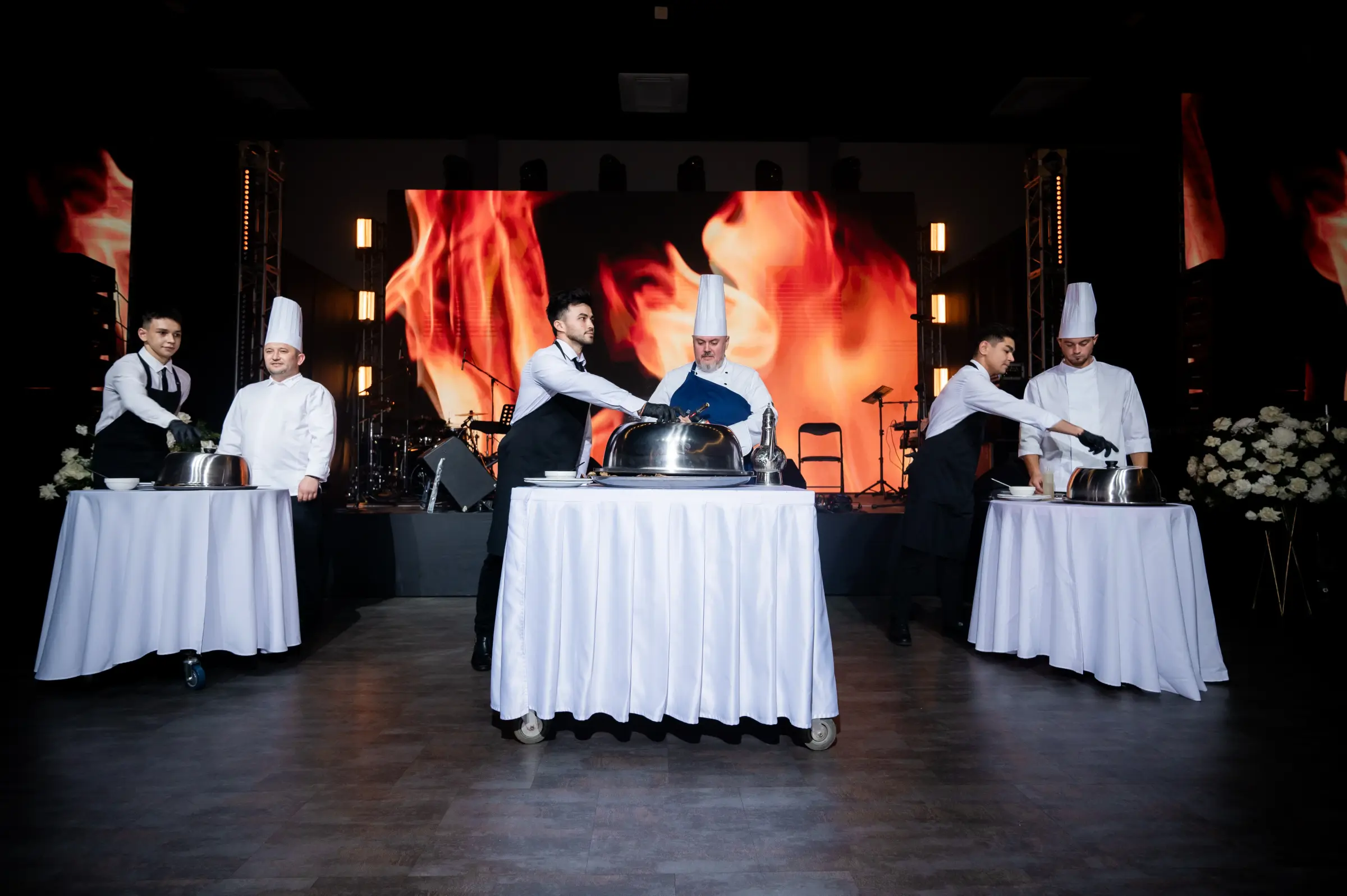
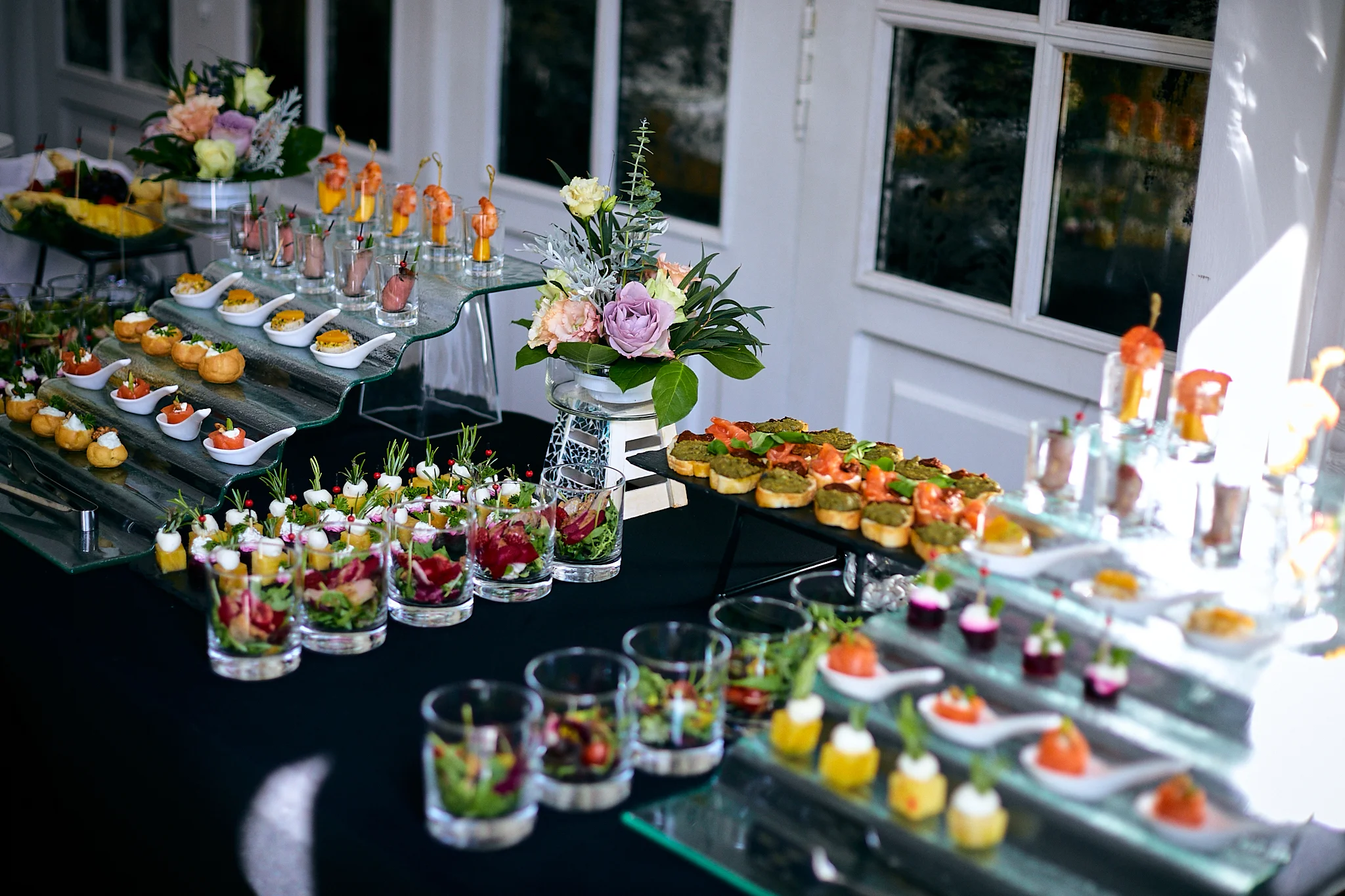
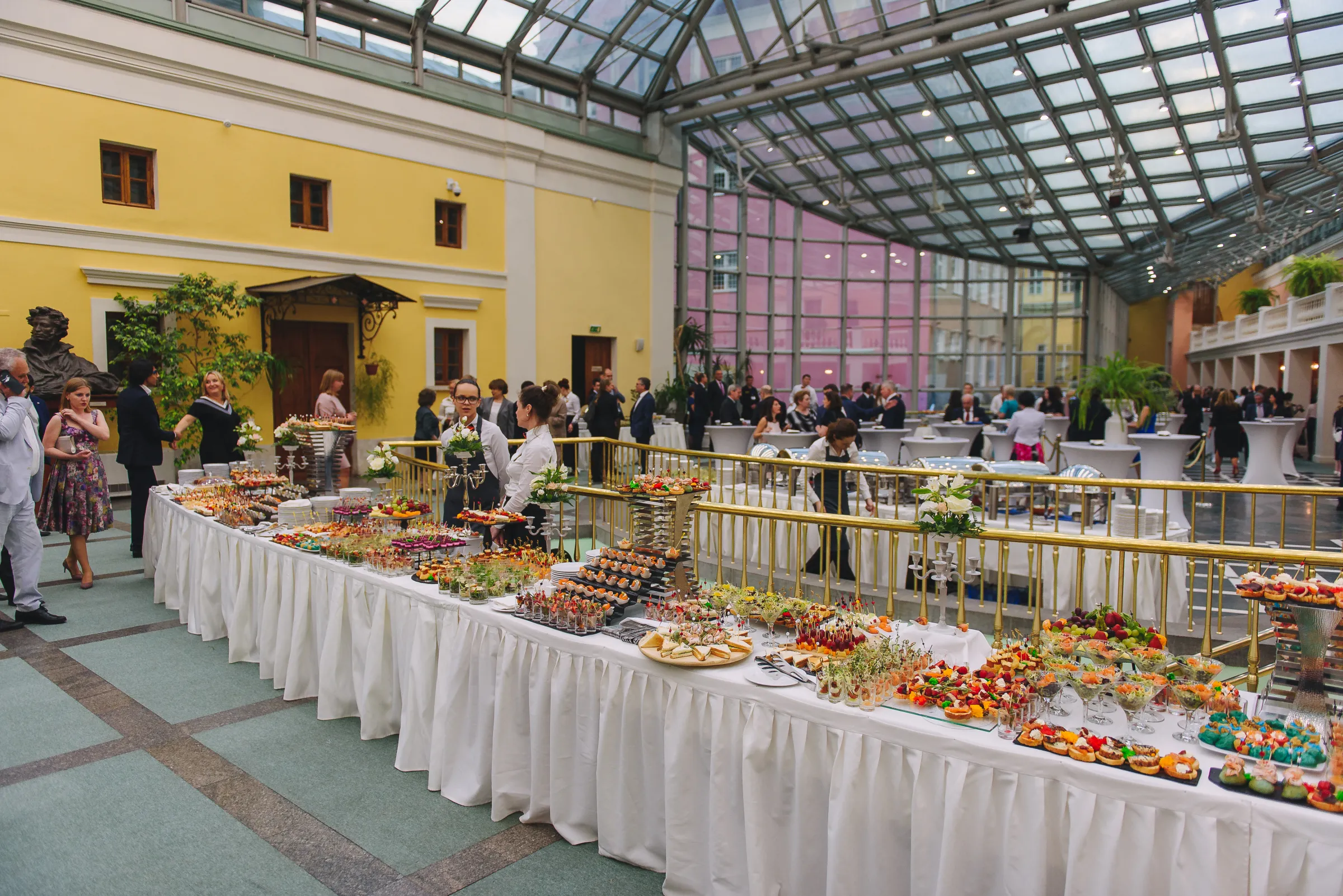
When it comes to catering, most people envision a modern event: a buffet, banquet, or business reception with impeccable service.
However, the very idea of organizing a gastronomic event outside of a restaurant emerged long before this term was coined. Over three hundred years ago, a man named Jean-François Vatel turned serving guests into a true art form.
Today, he is rightly considered one of the founders of modern catering.
From Waffle Vendor to Organizer of Royal Celebrations
The story of Vatel began quite modestly. In his youth, he sold waffles on the streets of Paris and could hardly have imagined that one day he would organize the most luxurious feasts in France.
True fame came to him while serving Nicolas Fouquet — the Minister of Finance for King Louis XIV.
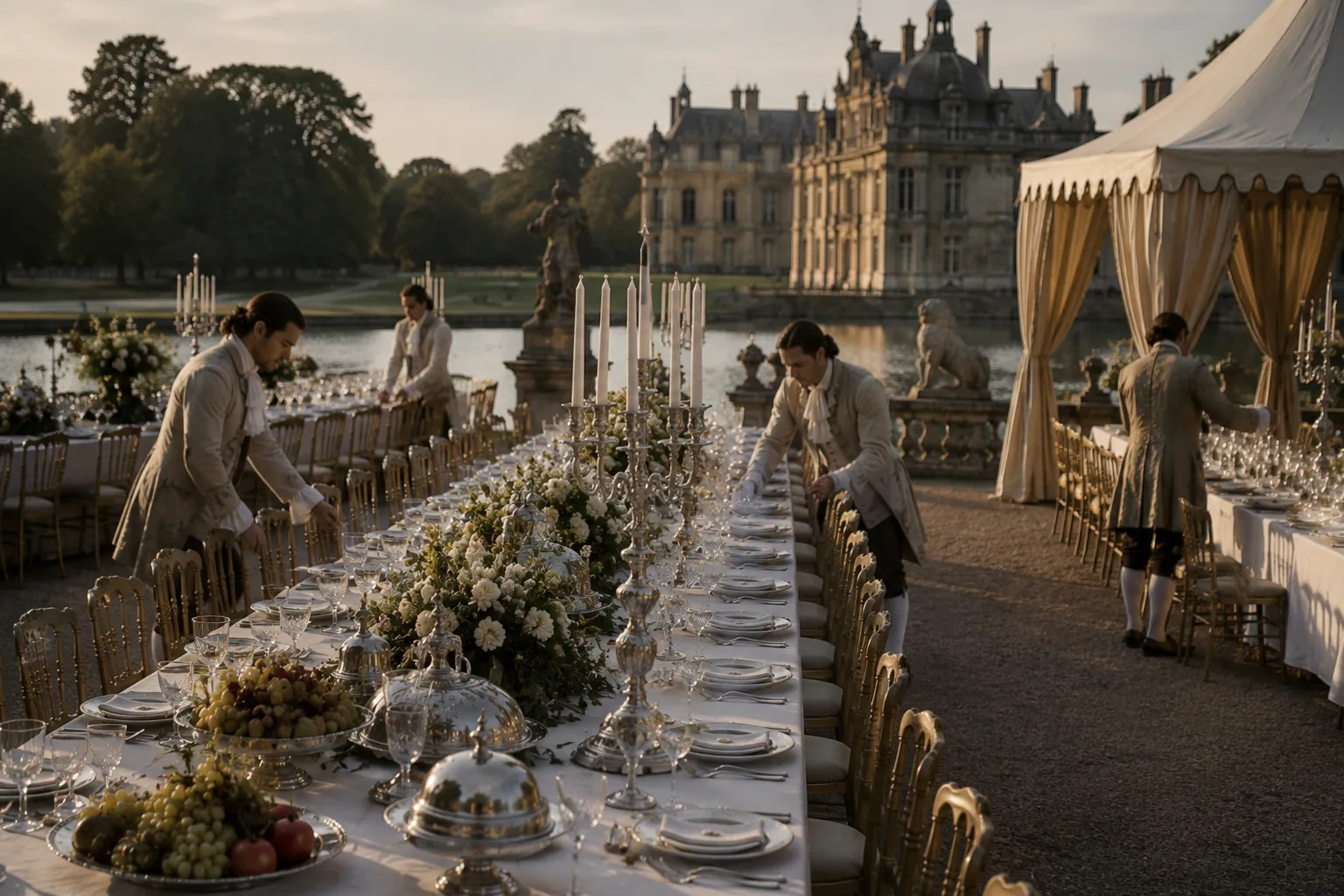
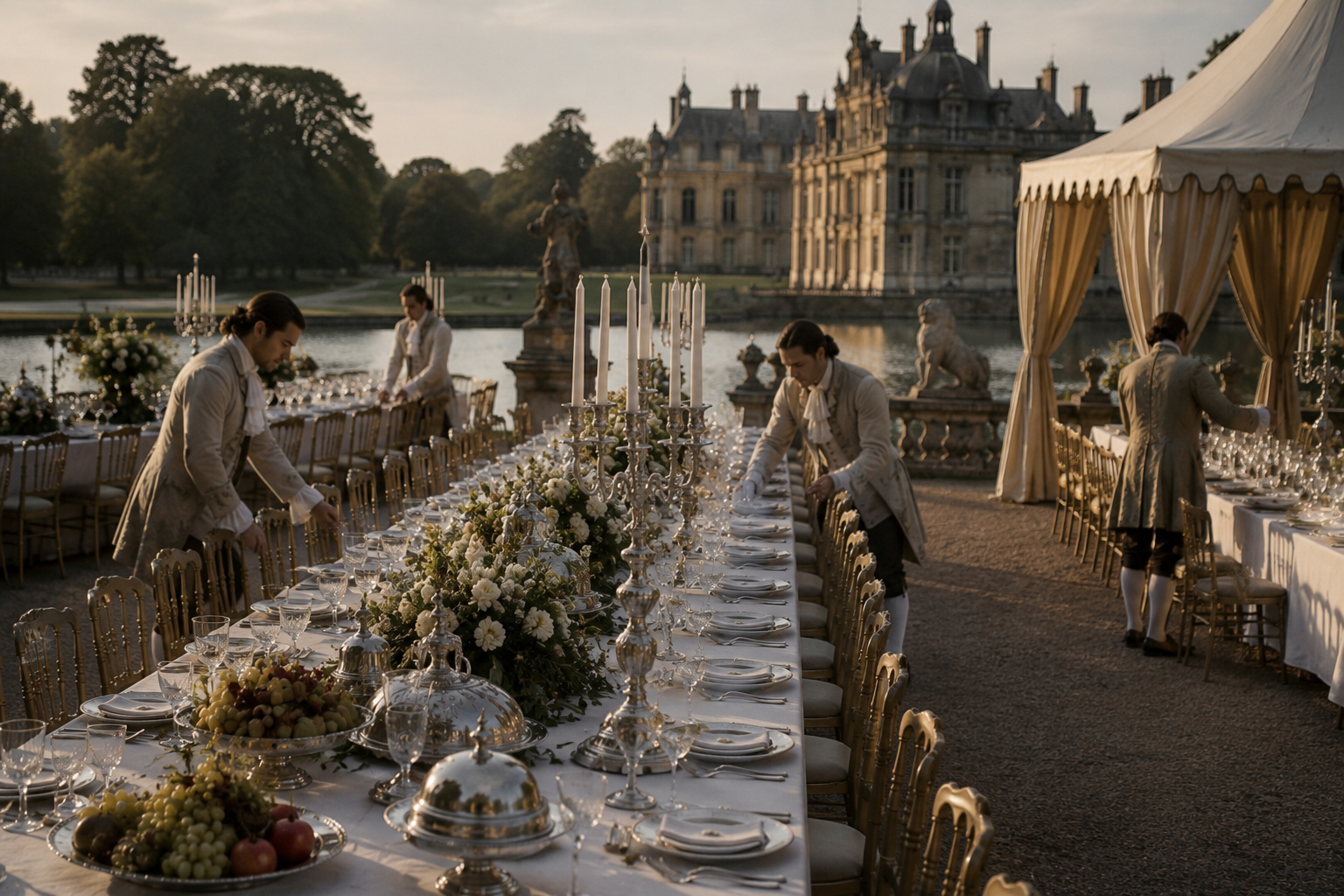
It was there that Vatel organized a celebration that astonished his contemporaries with its scale. For the guests, 80 tables and 30 buffets were prepared, thousands of plates and hundreds of silver dishes were used, and the king was served delicacies on pure gold tableware.
The grandeur was so impressive that it played a cruel joke on Fouquet himself. Louis XIV perceived the luxury as a challenge to his authority. Soon, the minister was arrested and lost his position at court forever.
Vatel was forced to leave his post, but his reputation as an organizer remained impeccable. Almost immediately after Fouquet's downfall, he was invited by Prince Condé.
Who Vatel Really Was
Interestingly, Vatel was not a chef in the modern sense of the word.
He held the position of steward — a person responsible for practically everything that happened during large receptions.
He was in charge of food supplies, logistics, menu planning, table setting, organizing entertainment, fireworks, and even chilling wines.
In fact, Vatel played a role that today could be compared to several professions: event manager, project leader, service director, and catering coordinator.
That is why many food historians consider him the first professional event organizer in the modern sense of the term.
The Most Important Banquet in France
In the spring of 1671, Prince Condé had the chance to restore his relationship with Louis XIV after a long-standing conflict with the crown.
To this end, the king was invited to the Château de Chantilly for several days of hunting, entertainment, and banquets.
Vatel was entrusted with preparing the event.
The task was colossal: about 2000 guests, only two weeks for preparation, several days of festivities, and enormous political significance.
Not only the organizer's reputation was at stake. The success of the celebration would determine Prince Condé's future at the royal court.
The Menu That Went Down in History
For the king and his guests, dozens of dishes were prepared, including:
• turtle soup
• chicken in cream
• fried trout
• roasted pheasant
• anchovies "Sévigné"
• melon with Parma ham
• lobsters in quenelles with shrimp sauce
• duck à la Vatel with Madeira
• leg of lamb
• strawberry bomb
Contemporary accounts of the celebration survive, including one from Madame de Sévigné.
In a letter dated April 26, 1671, she wrote:
"The king arrived on Thursday evening. The hunt, lanterns, moonlight, a stroll, a feast under the open sky amidst a sea of daffodils — it was all like a fairy tale."
Why the Banquet Became Fateful
Despite the success of the first day, Vatel was convinced that the celebration was in jeopardy.
During one of the dinners, several tables ran out of hot dishes. And ahead lay Friday, when, according to religious rules, meat could not be served, and the menu was to be based on fish.
Around four in the morning, Vatel personally checked the supplies and found only two batches of fish from the expected numerous deliveries.
For a man who considered perfection his main duty, this was more than enough.
According to contemporary accounts, he uttered:
"I cannot survive this disgrace."
After that, Vatel went to his room and stabbed himself with a sword.
The tragedy took on an almost symbolic character. Soon after his death, fish began arriving from all directions. As an experienced organizer, he had ordered supplies from several ports in advance, and the delay turned out to be merely temporary.
When the servants found Vatel, all the necessary products had already been delivered.

Who Preserved the Memory of Vatel
Much of what we know about these events has come to us thanks to the letters of Madame de Sévigné.
It was her emotional and detailed descriptions that preserved the story of Vatel for posterity and turned it into one of the most famous legends of gastronomic France.
Without these letters, Vatel's name would likely have remained a mere footnote in the history of Louis XIV's court.
Conclusion
Jean-François Vatel did not invent a specific dish and did not leave behind a culinary school.
His legacy turned out to be much more important.
He was one of the first to show that organizing a gastronomic event is a separate art requiring attention to detail, logistics, atmosphere, and guest experiences.
Modern catering largely continues the same principles that a man who started his journey selling waffles on the streets of Paris formulated over three hundred years ago.
The history of catering spans hundreds of years, but the main principles remain unchanged: attention to guests, impeccable organization, and love for the craft.
And if you want to see this story on screen, be sure to watch the film "Vatel" starring Gérard Depardieu. Despite the artistic license, it treats historical events quite carefully.