Introduction
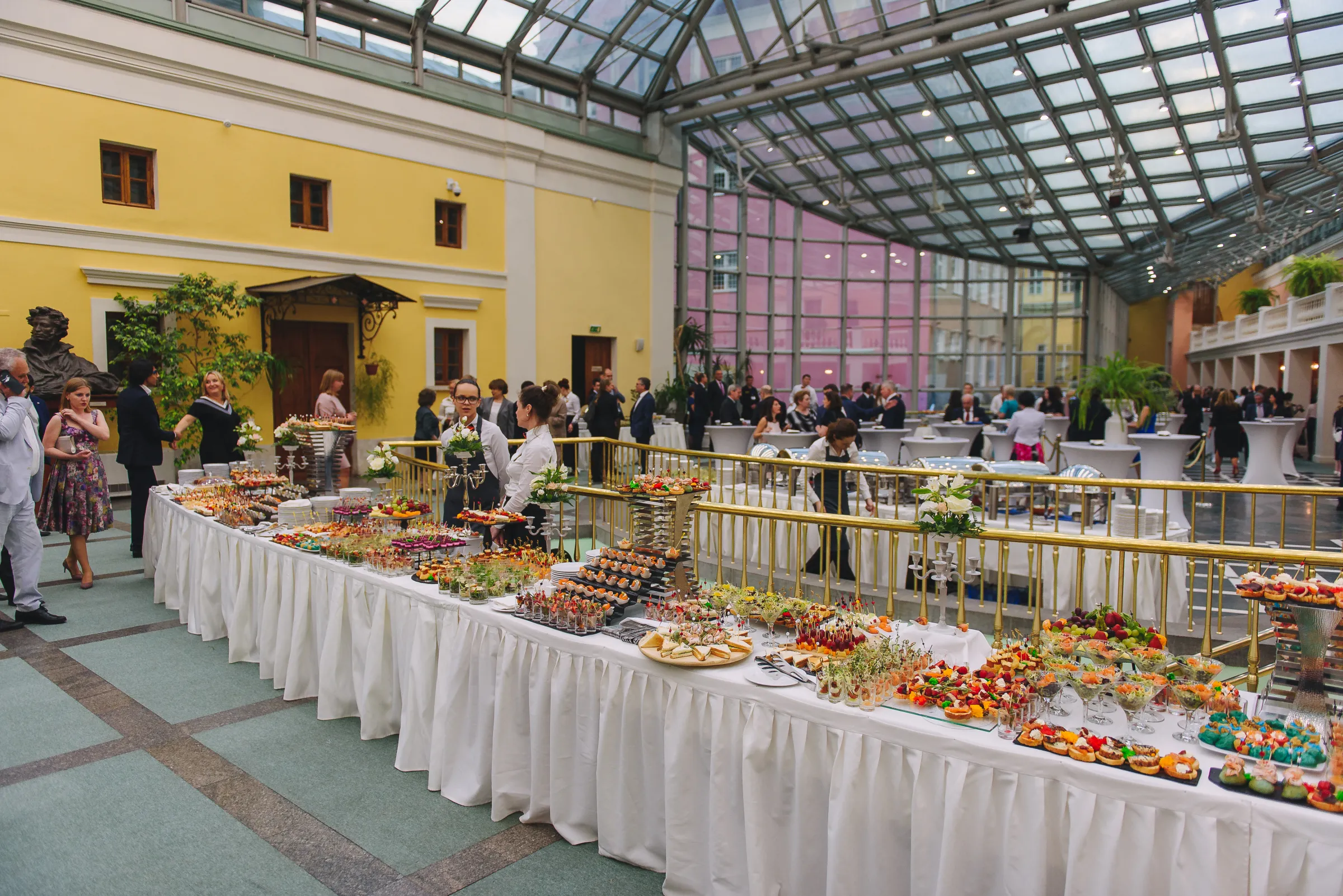
Choosing a menu for a corporate event seems like a simple task until the preparation begins.
A multitude of questions immediately arises. Should the focus be on hot dishes? Is it worth including gastronomic stations? How to consider the tastes of different guests? And what is more important — variety or balance?
In practice, a good menu starts not with the selection of dishes, but with understanding the event itself. It is the format of the event that determines what the gastronomic accompaniment should be.
The Menu Should Support the Purpose of the Event
Corporate events can vary greatly.
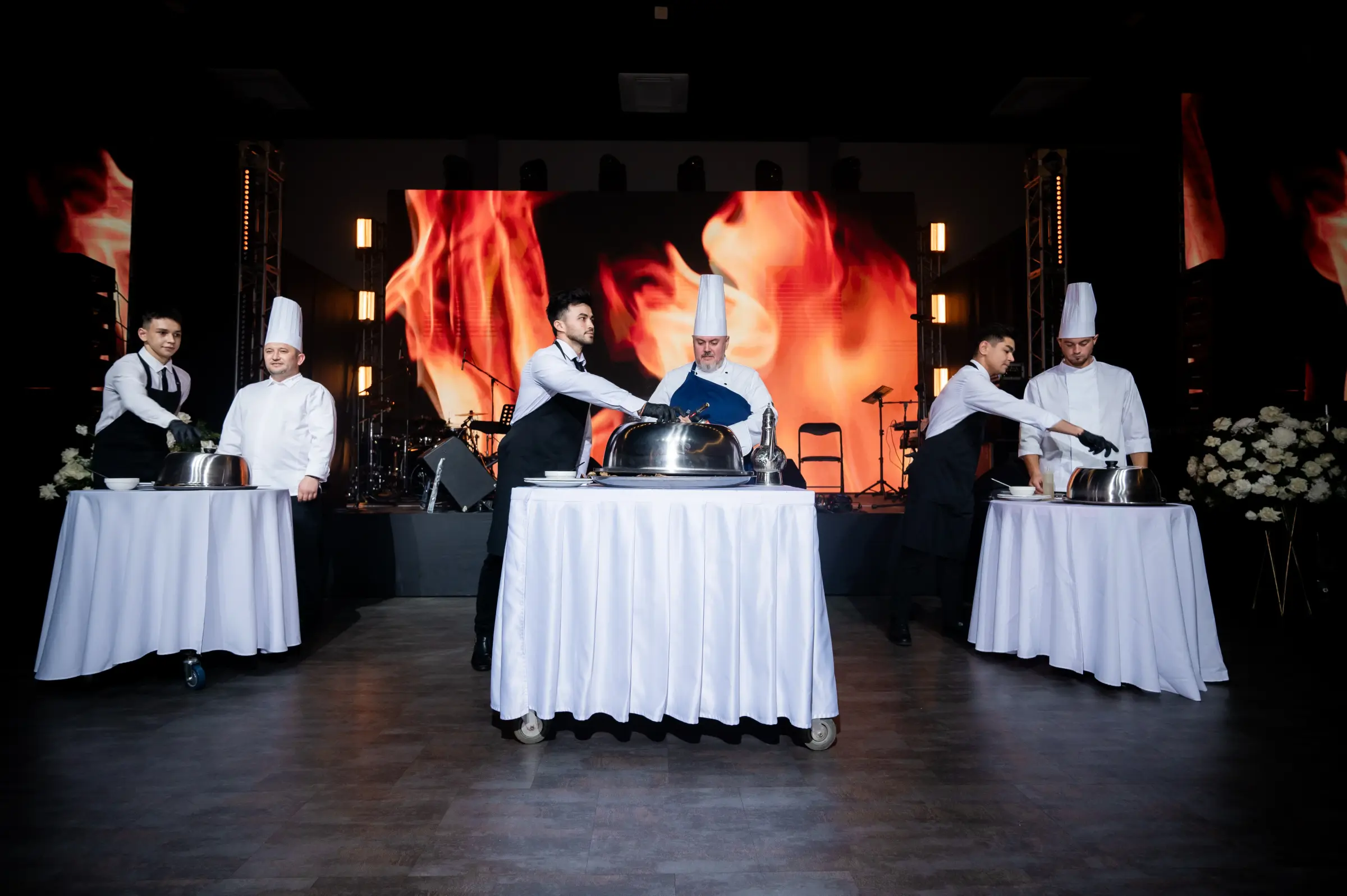
In some cases, the main task is informal team communication. In others, it is important to emphasize the status of the event. And sometimes, gastronomy serves merely as a comfortable accompaniment to the business program.
Therefore, the menu should always work towards the overall goal of the event, rather than exist separately from it.
When the food supports the format of the event, everything feels natural and harmonious.
It’s Important to Understand Who Your Guests Are
One of the most common misconceptions is choosing a menu solely based on the organizer's preferences.
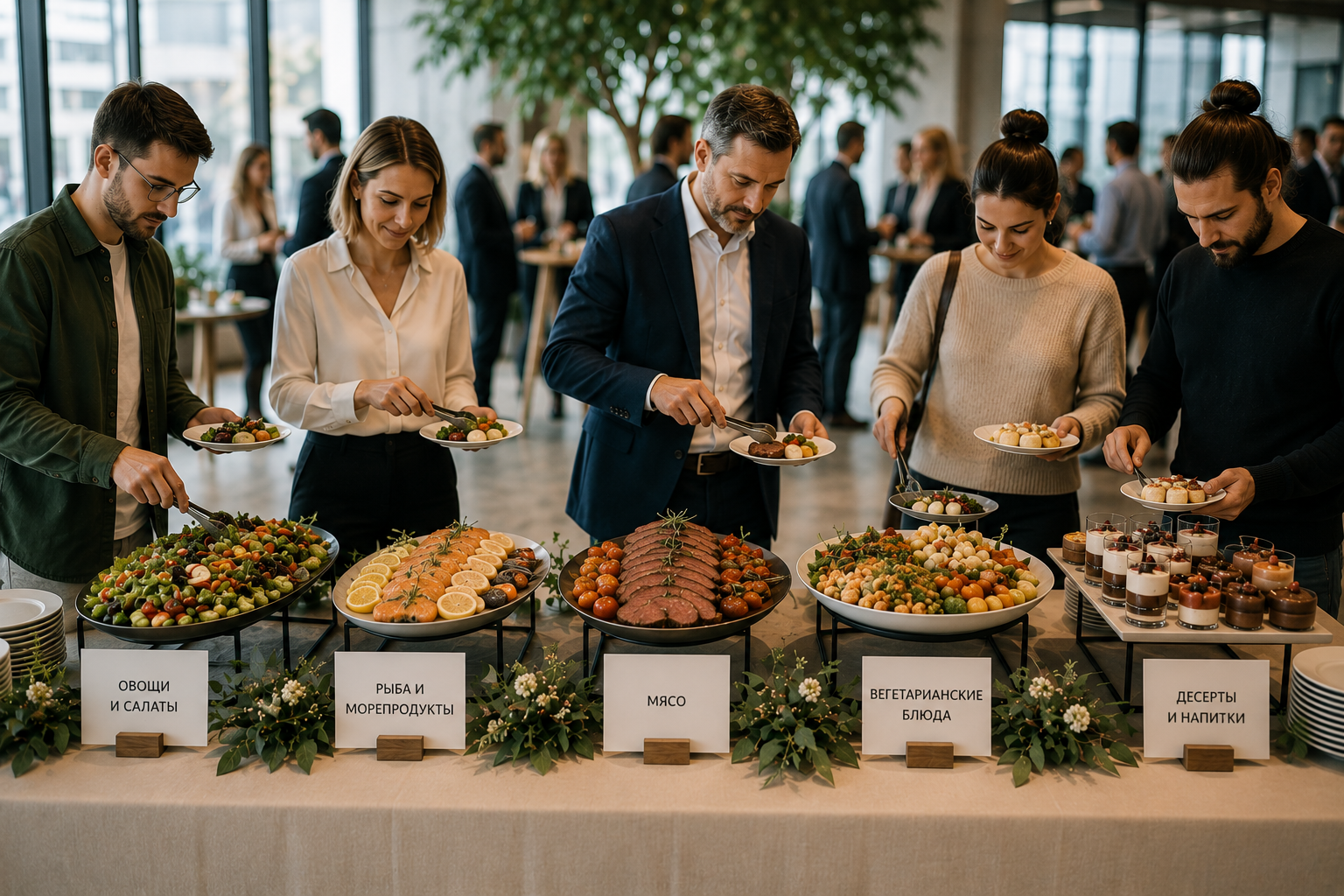
In reality, the main question is: who will be attending the event?
The age of the guests, the format of communication, the duration of the event, and even the time of day influence gastronomic preferences much more than it seems.
A universal menu does not mean a boring menu. It means a thoughtful selection of dishes that will be comfortable for most guests.
Variety Does Not Always Mean Quality
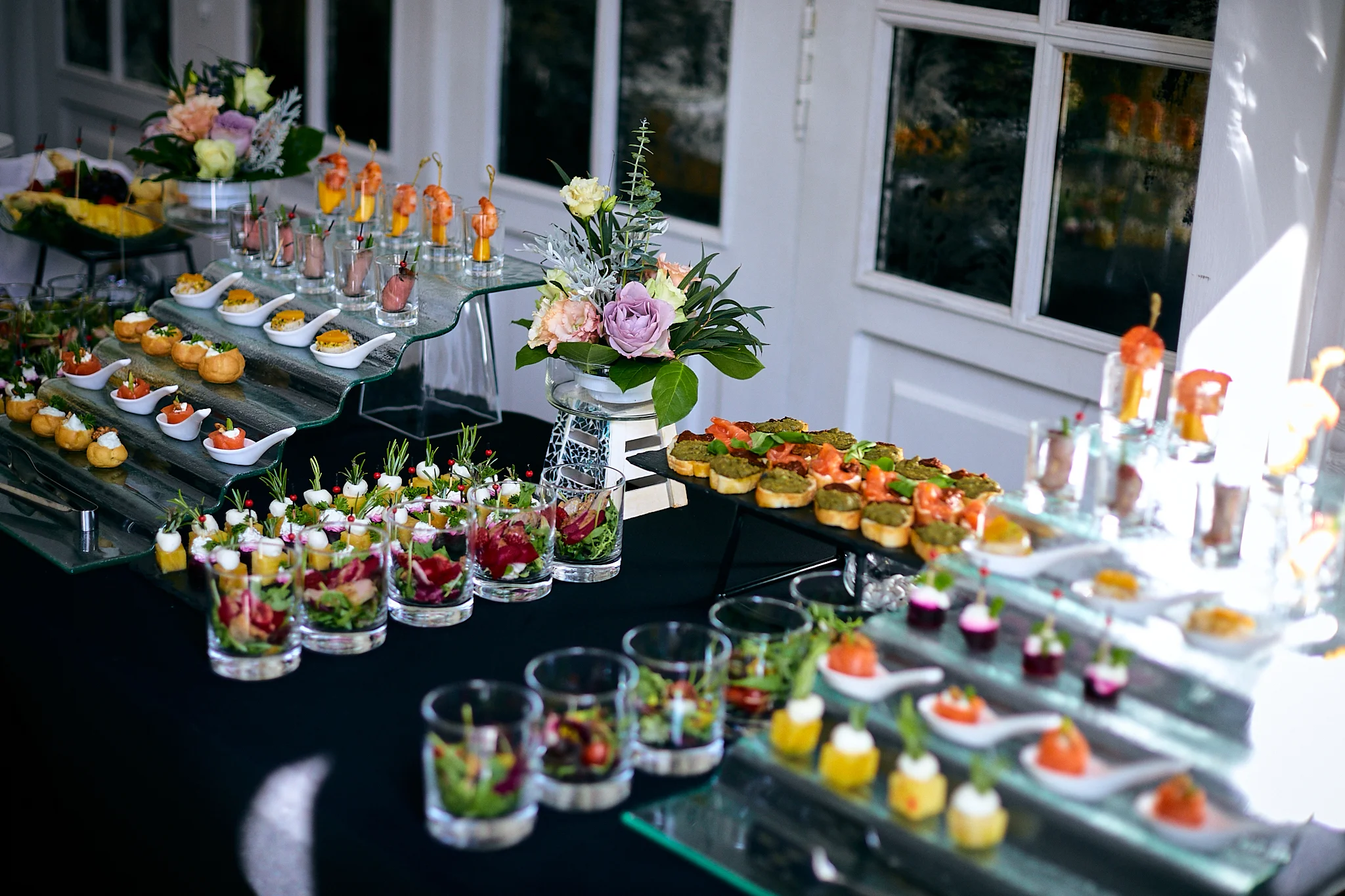
When preparing corporate events, there is often a desire to include as many items as possible.
The logic is clear: the more choices, the higher the likelihood of pleasing every guest.
However, in practice, excess rarely works in favor of the event.
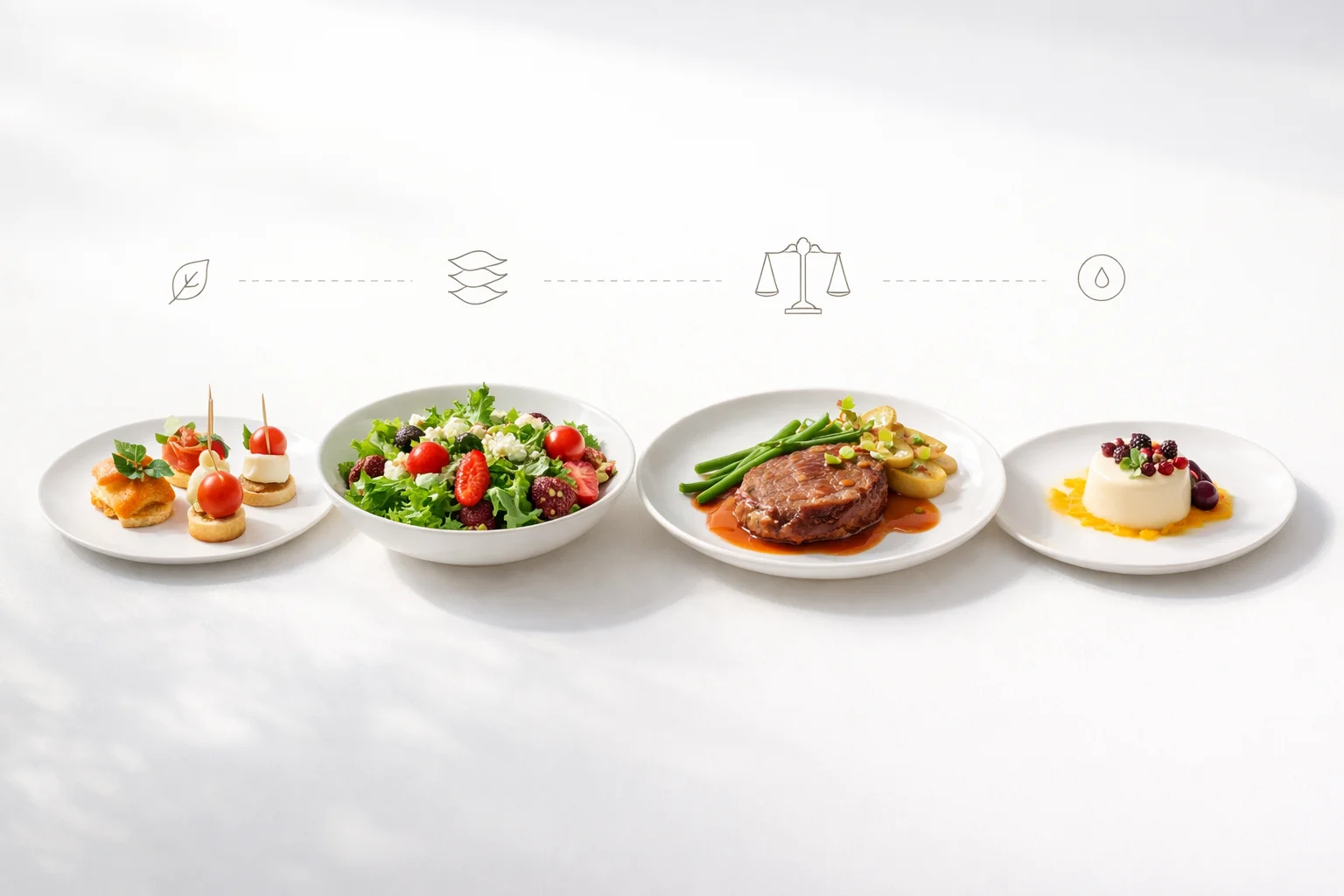
It is much more important to create a clear and balanced menu structure, where each item has its place and purpose.
This kind of gastronomy is perceived as thoughtful and professional.
Seasonality Matters
A good menu always takes the time of year into account.
In summer, guests tend to choose light dishes, fresh vegetables, fruits, and refreshing drinks. In autumn and winter, interest grows in richer flavors and warm dishes.
Seasonality affects not only the perception of the menu but also the overall comfort of the guests.
Therefore, the best solutions usually arise at the intersection of gastronomy and common sense.
Don’t Forget About Restrictions and Preferences
Modern events increasingly gather guests with different dietary habits.
Some do not eat meat, some avoid certain products for medical or religious reasons, and others simply adhere to their own dietary style.
The task of the organizers is to anticipate such situations in advance and ensure that every guest feels comfortable.
This does not require radical changes to the menu, but it does require attention to detail.
The Menu is Part of the Overall Experience
Guests rarely remember the full list of dishes months after the event.
However, they do remember the overall feeling: whether it was convenient, tasty, comfortable, and natural.
That’s why the menu should be viewed not as a separate budget item, but as part of the overall guest experience.
When gastronomy is integrated into the event scenario, it begins to work towards the result much more effectively.
Conclusion
Choosing a menu for a corporate event is not about finding the most expensive or the most unusual dishes.
It’s about finding the right balance between the format of the event, the expectations of the guests, and the overall concept of the event.
When this balance is found, the food becomes not just a part of the program, but a natural continuation of the event's atmosphere.
This approach is the foundation of Concept Catering's work.
If you are planning a corporate event and want to select a menu that will work towards the goals of the event and the comfort of the guests, the Concept Catering team will help you find the optimal solution for your format.