Introduction
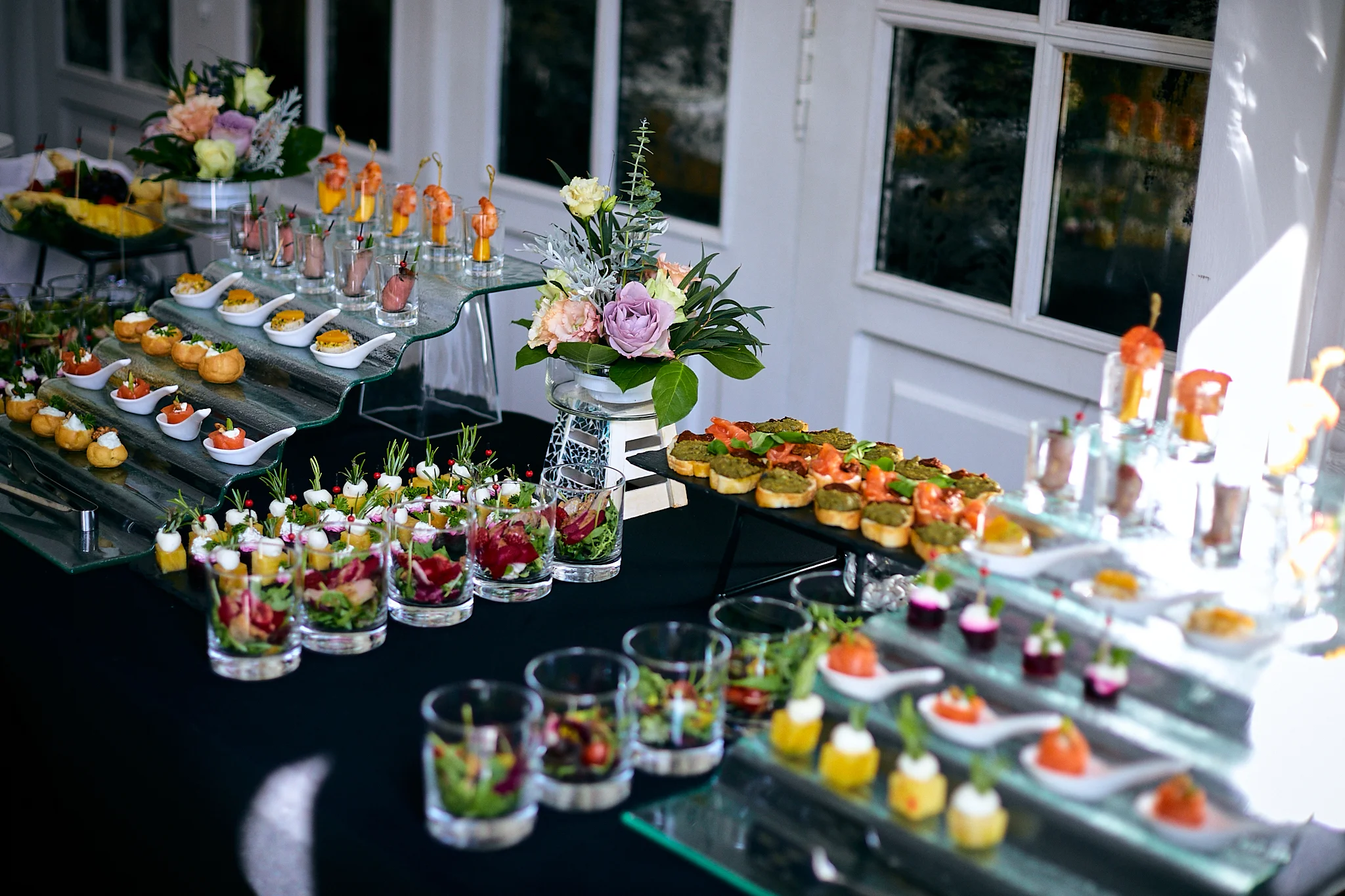
One of the most common questions when preparing an event is how much food is really needed.
At first glance, it seems like there’s a simple logic: multiply the number of guests by a standard portion. But in practice, things are much more nuanced.
The amount of food is not a fixed number, but the result of precise calculations that take into account the event format, duration, guest composition, and even the evening's scenario. This is why the same number of guests can require a completely different volume of the menu.
Why There is No Universal Standard
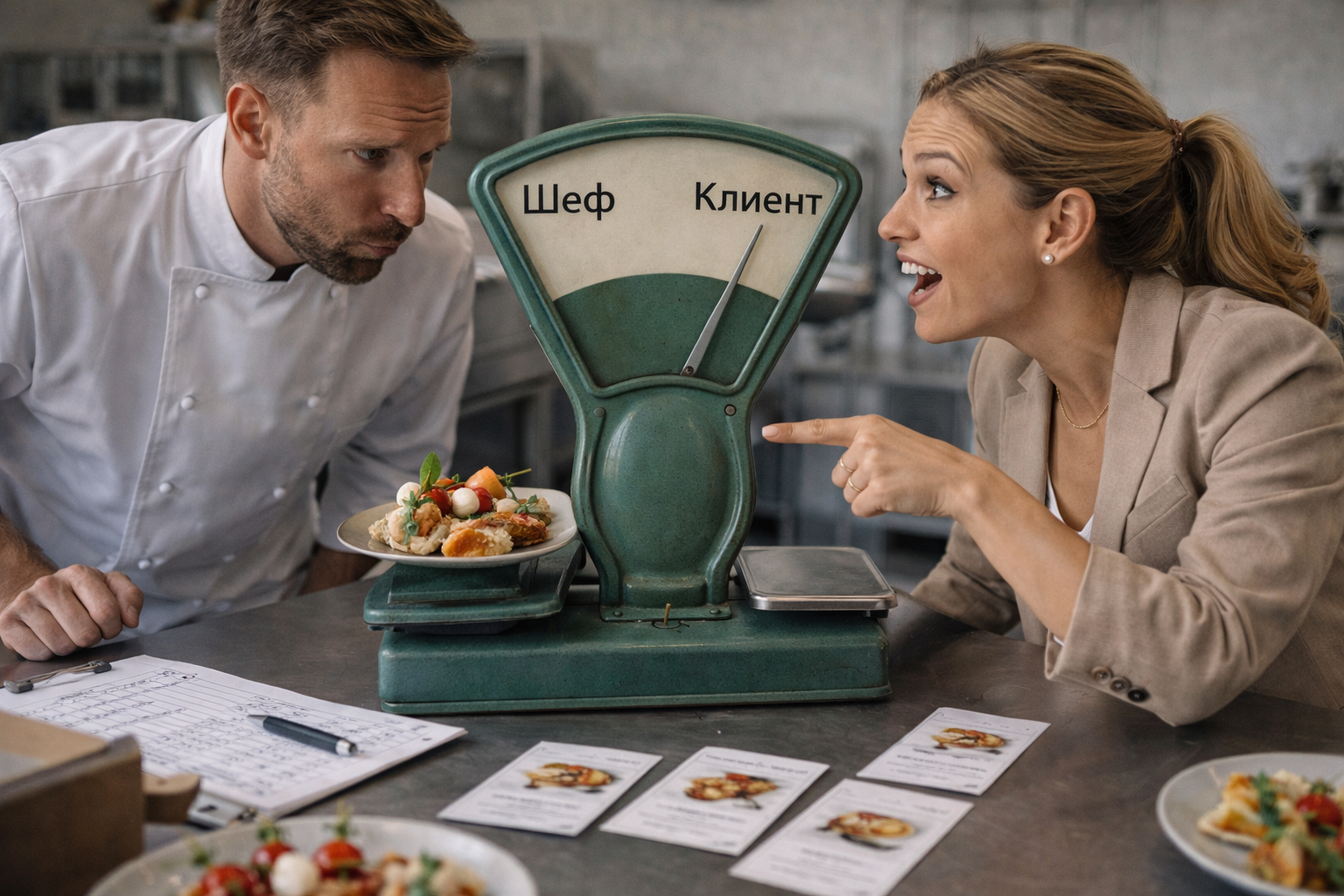
Trying to apply an "average number per person" almost always leads to mistakes.
In some cases, there’s too much food, and a significant portion remains unused. In others, guests feel a lack, which directly affects their impression of the event.
The reason is that food consumption heavily depends on the context. At a dynamic buffet, guests eat differently than at a banquet dinner. A business reception and an evening event also imply different levels of engagement with gastronomy.
Therefore, the calculation always starts not with the number of dishes, but with an understanding of the event itself.
How Format Affects Menu Volume
The event format is one of the key factors.
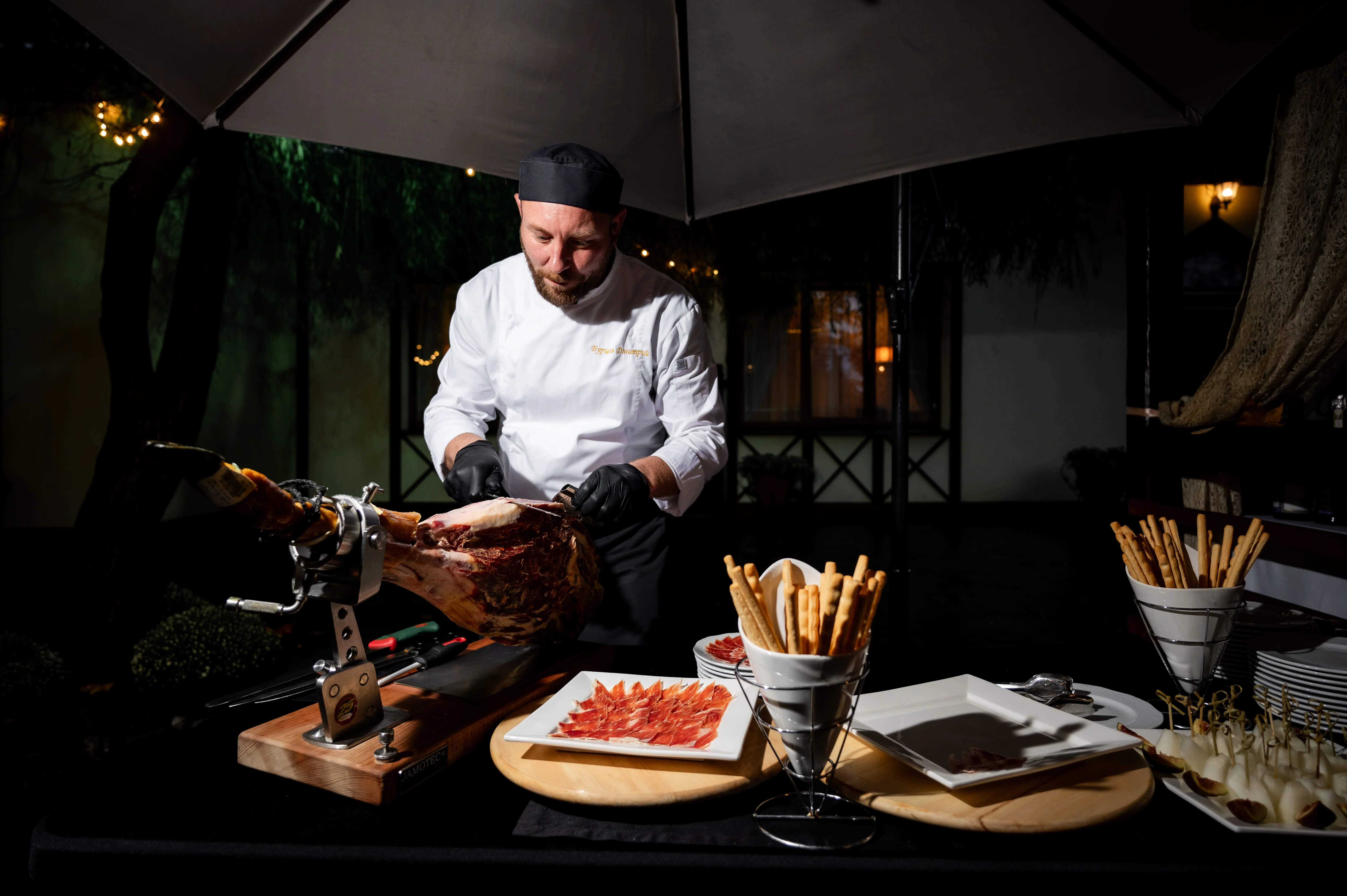
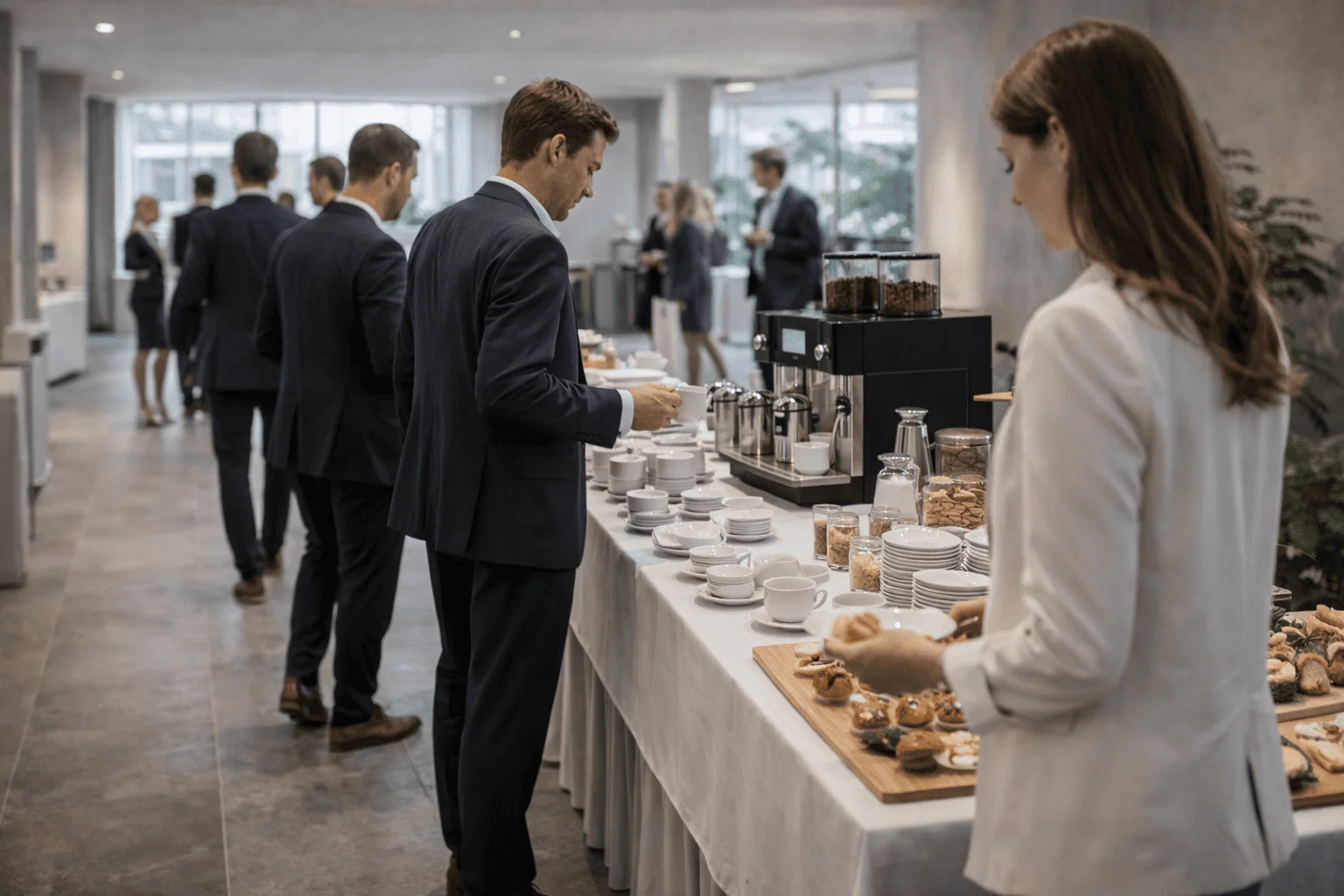
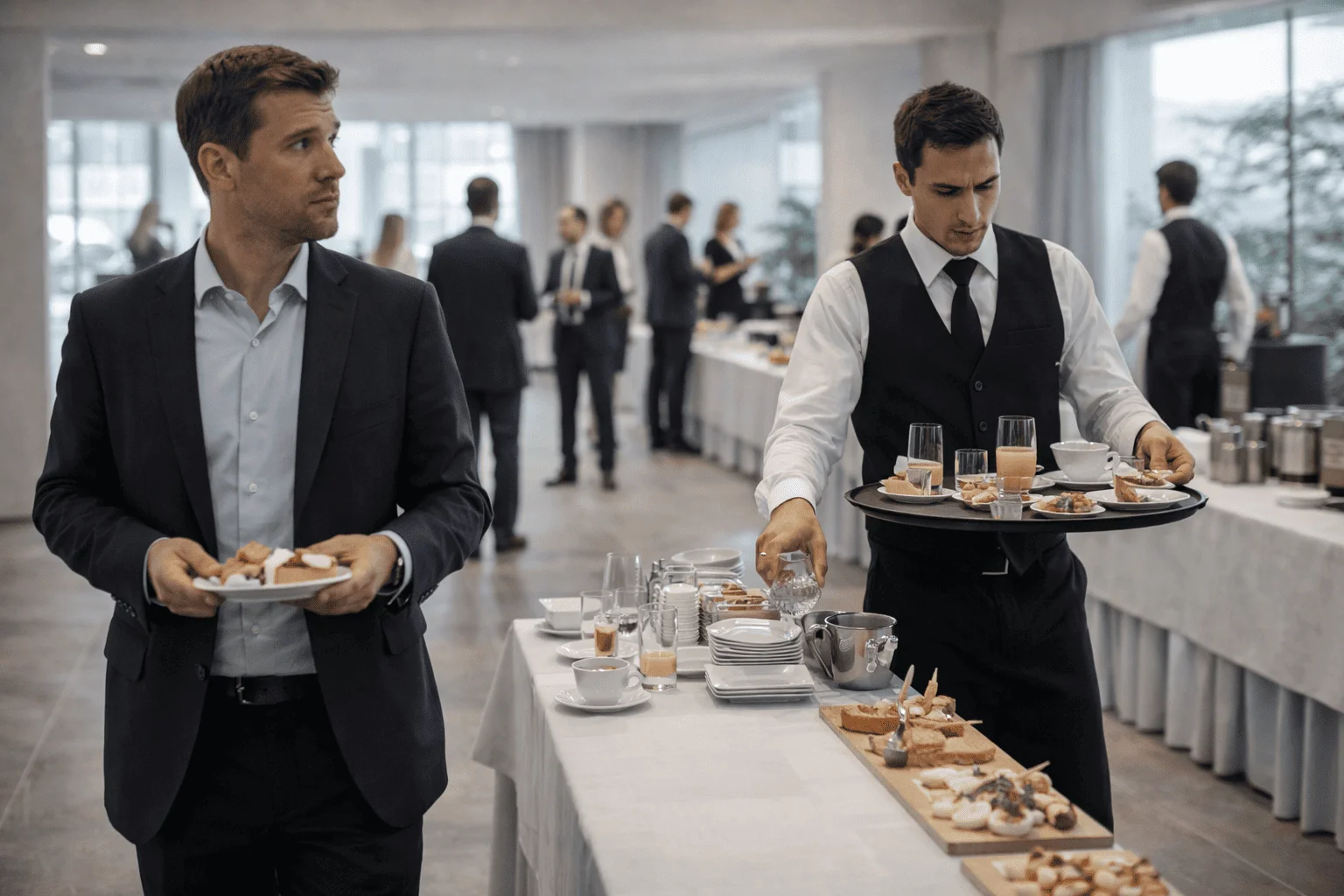
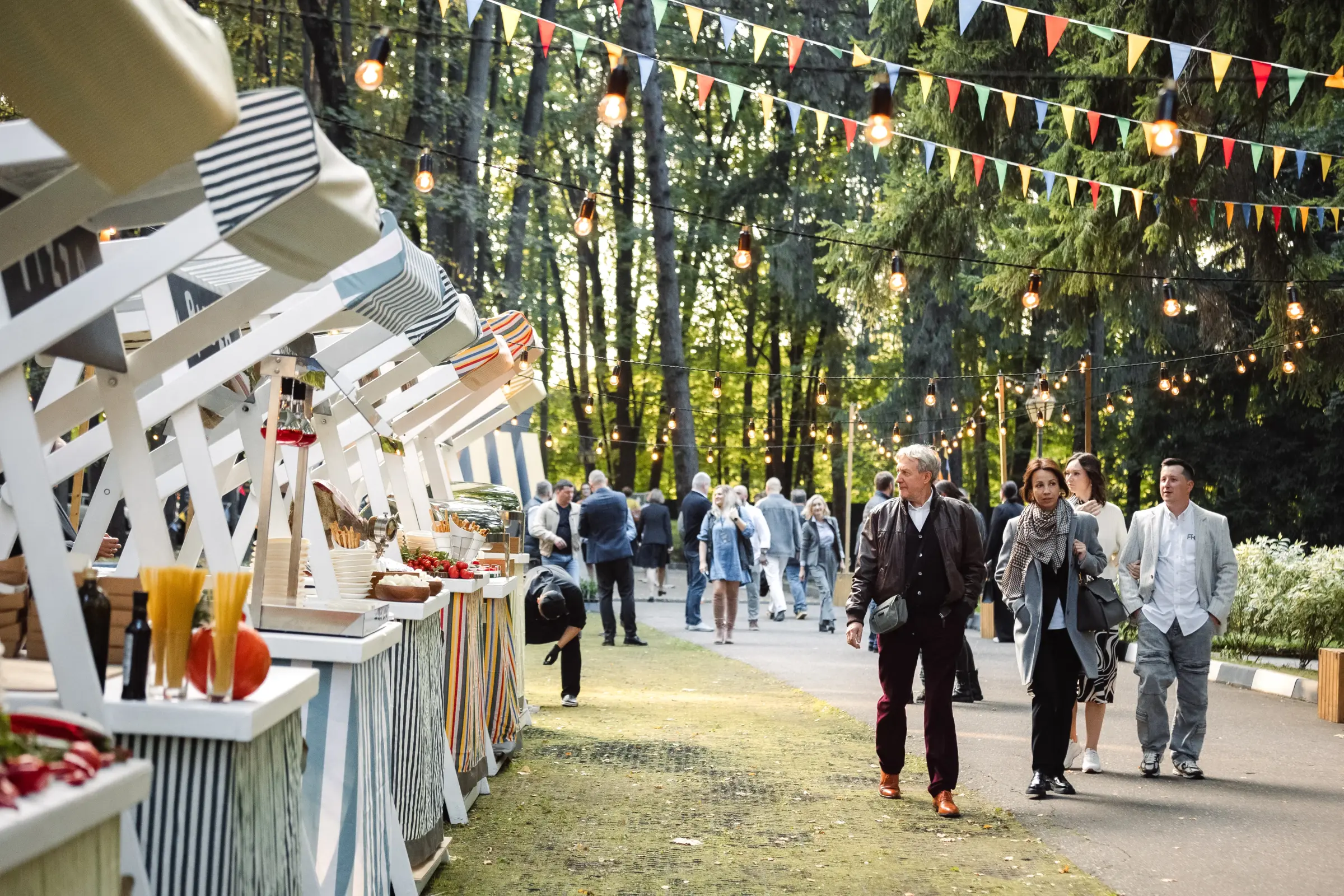
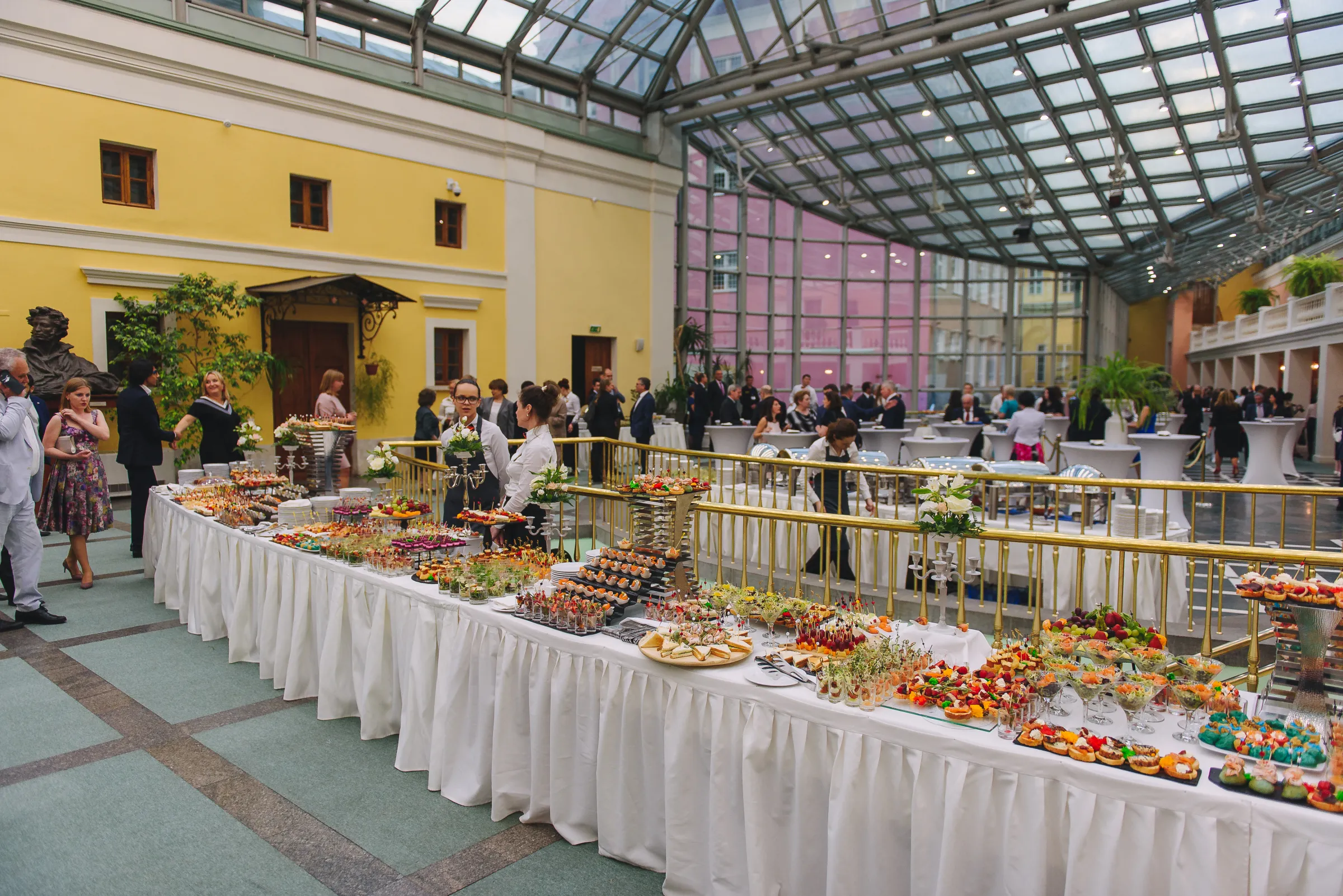
A buffet implies more variety and more frequent dish choices, but smaller portions. Guests approach the line several times, trying different items, and the overall consumption is spread over time.
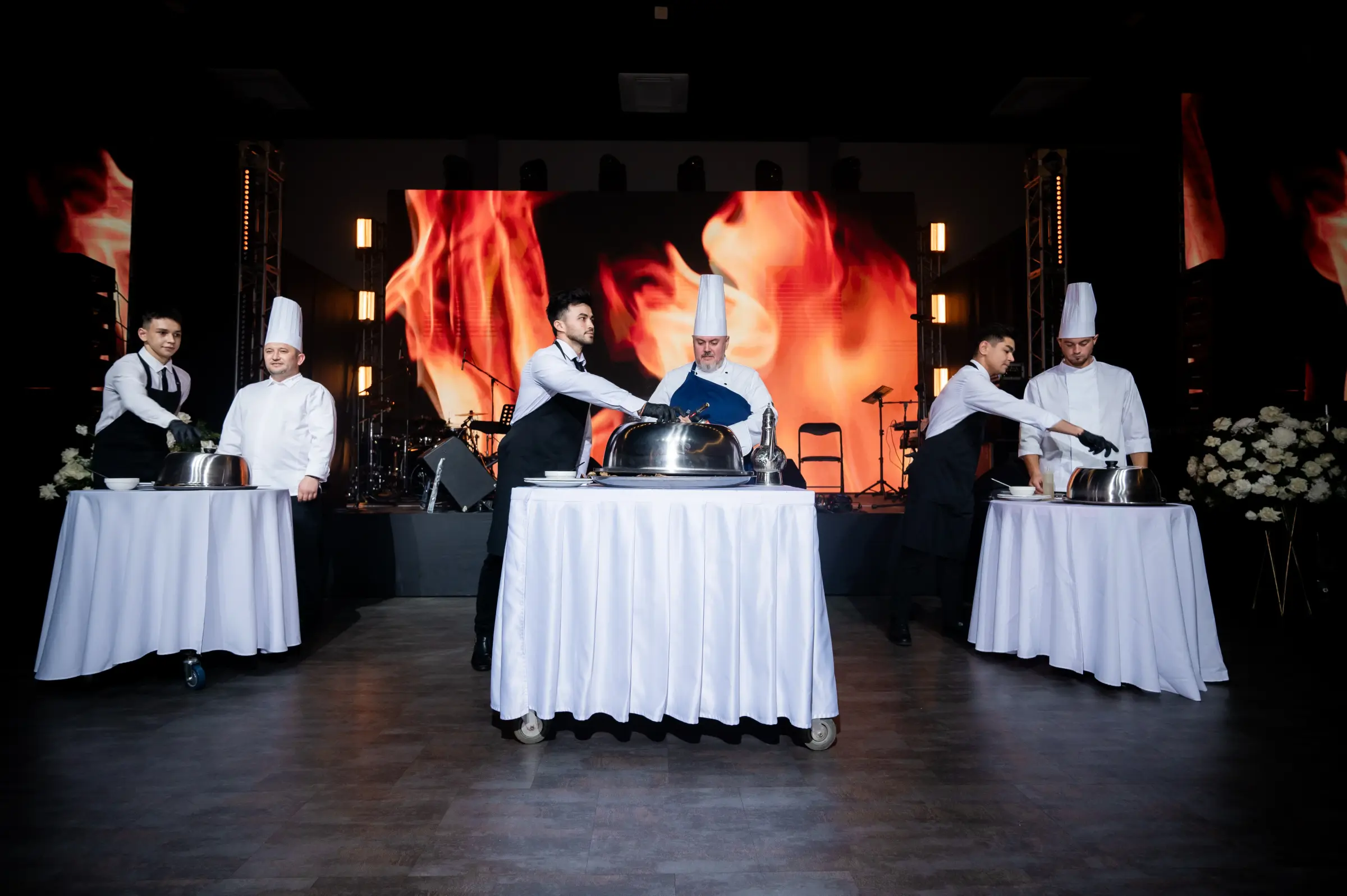
A banquet, on the other hand, is built around a sequential serving. Here, the balance between courses is important, and the portions themselves become more pronounced and substantial.
Even with the same number of guests, the final volume of food in these formats will differ.
The Role of Time and Scenario
The duration of the event directly affects the calculation.
A short business reception and an evening event lasting several hours require different approaches. The longer the event lasts, the more significant not only the quantity of food but also its structure becomes.
It’s important to consider pauses, changes in activities, and moments when guests return to the food. In some scenarios, the emphasis is on the beginning of the event, while in others, it’s on the middle or the finale.
Thus, the menu is structured not only by volume but also by the logic of distribution.
Who Your Guests Are
The composition of the audience also plays an important role.
Different ages, communication formats, and even the nature of the event influence guest behavior. In some cases, food becomes part of the communication, while in others, it is a secondary element.
For example, at business events, guests often choose light and convenient formats, whereas at evening events, interest in gastronomy may be higher.
Therefore, the calculation is always adapted to the specific audience.
How the Final Menu is Formed
In professional catering, menu calculation is a combination of experience and a systematic approach.
The following factors are considered:
event format
duration
scenario
venue characteristics
guest composition
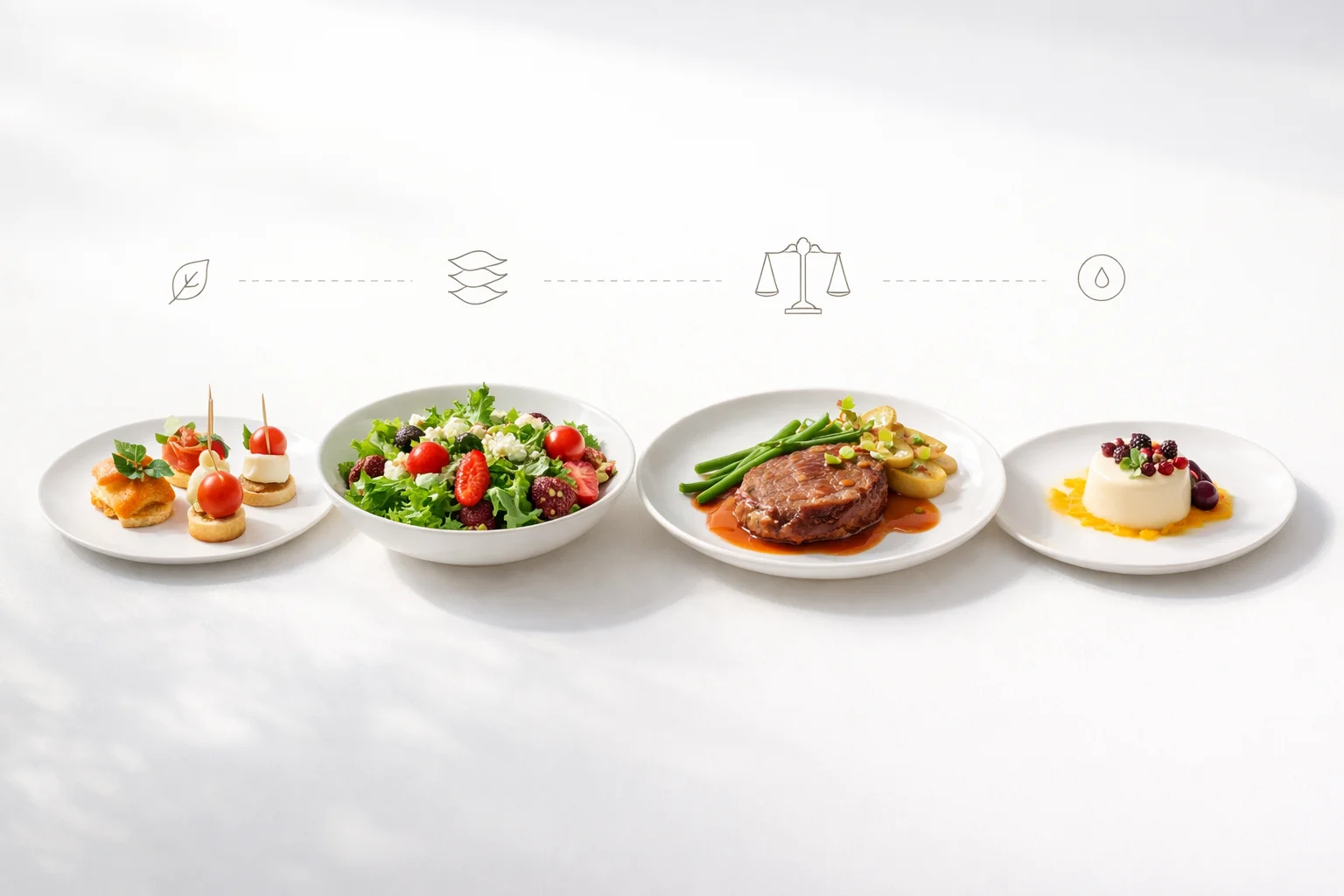
All these parameters are combined into a single model that allows for precise determination not only of the number of dishes but also of their structure.
As a result, the menu is balanced: without excess, but also without the risk of shortage.
Conclusion
The amount of food at an event is not about numbers, but about precise system tuning.
When the calculation is done correctly, guests don’t think about quantity—they simply feel comfortable. They are engaged in the atmosphere, and food becomes a natural part of the event.
This approach is the foundation of Concept Catering's work.