Introduction
Event formats have already changed. Guests are less responsive to standard presentations and increasingly value engagement, atmosphere, and the feeling of a live process.
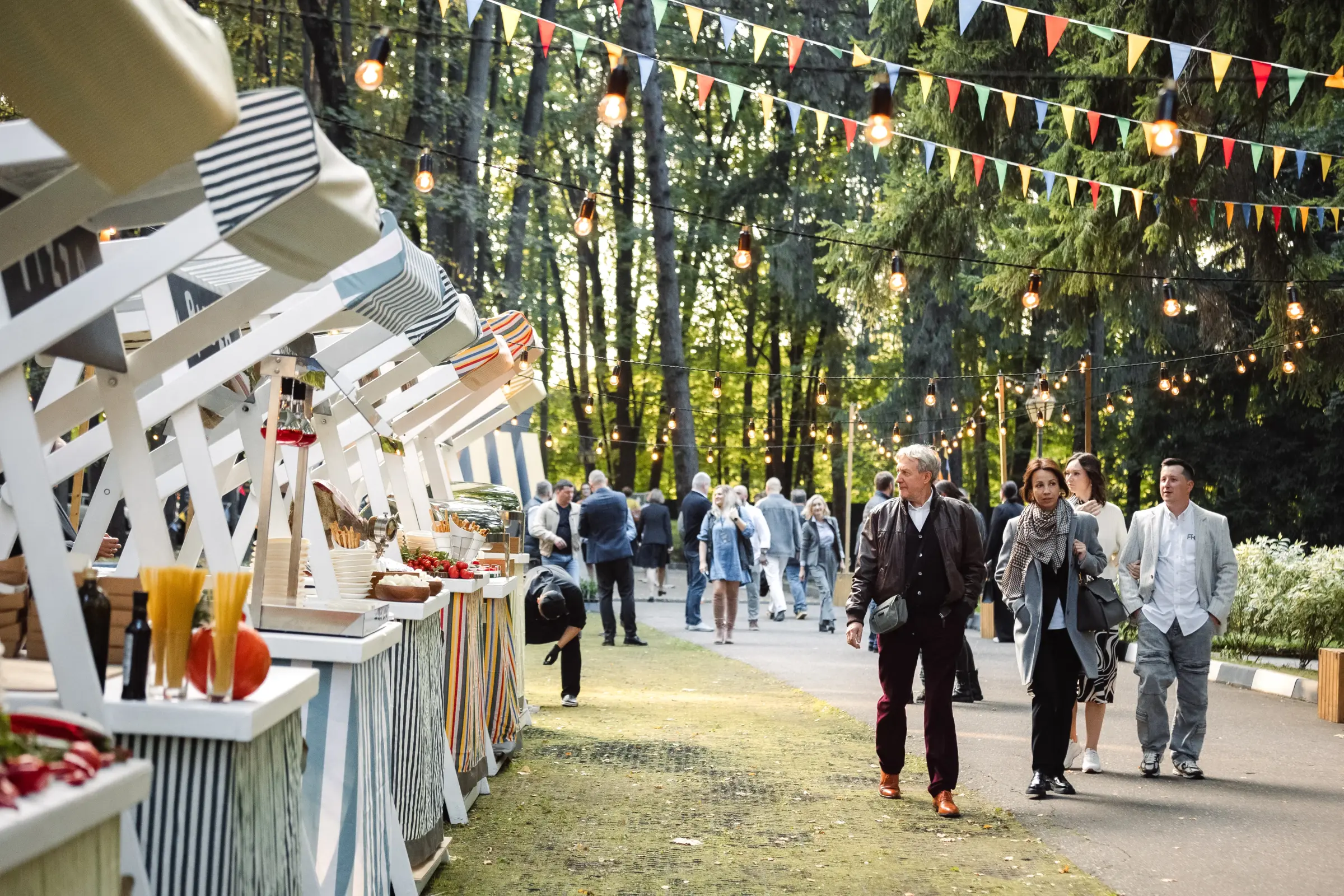
In this context, gastronomic stations are not a new idea but an already established trend. A format where food ceases to be just a part of the service and becomes part of the event itself.
It’s no longer just about serving dishes; it’s about interaction, observation, and participation. And that’s why gastronomic stations today occupy a stable place in the structure of modern events.
What is a gastronomic station
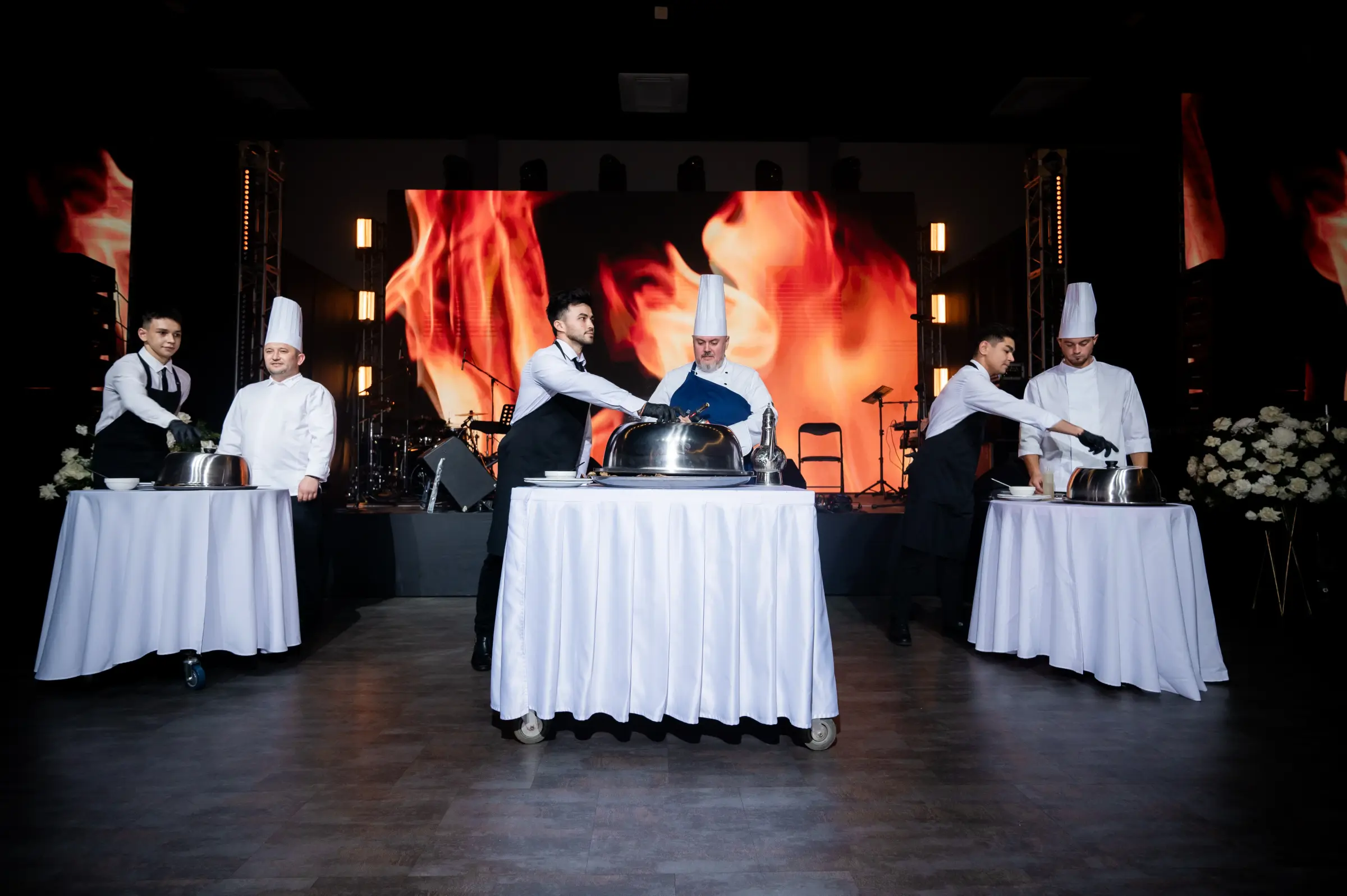
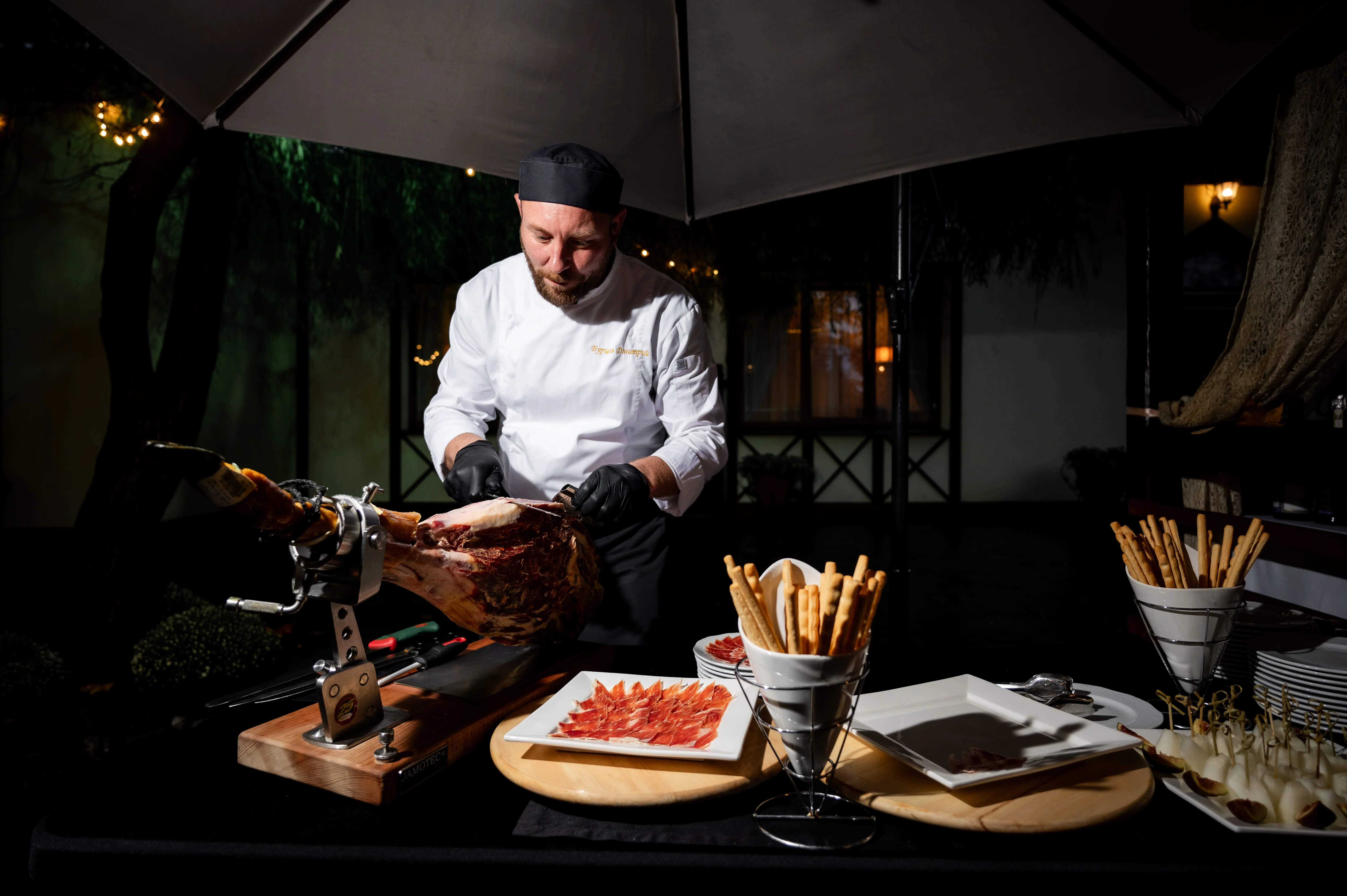
A gastronomic station is an area at an event where dishes are prepared or assembled right in front of the guests.
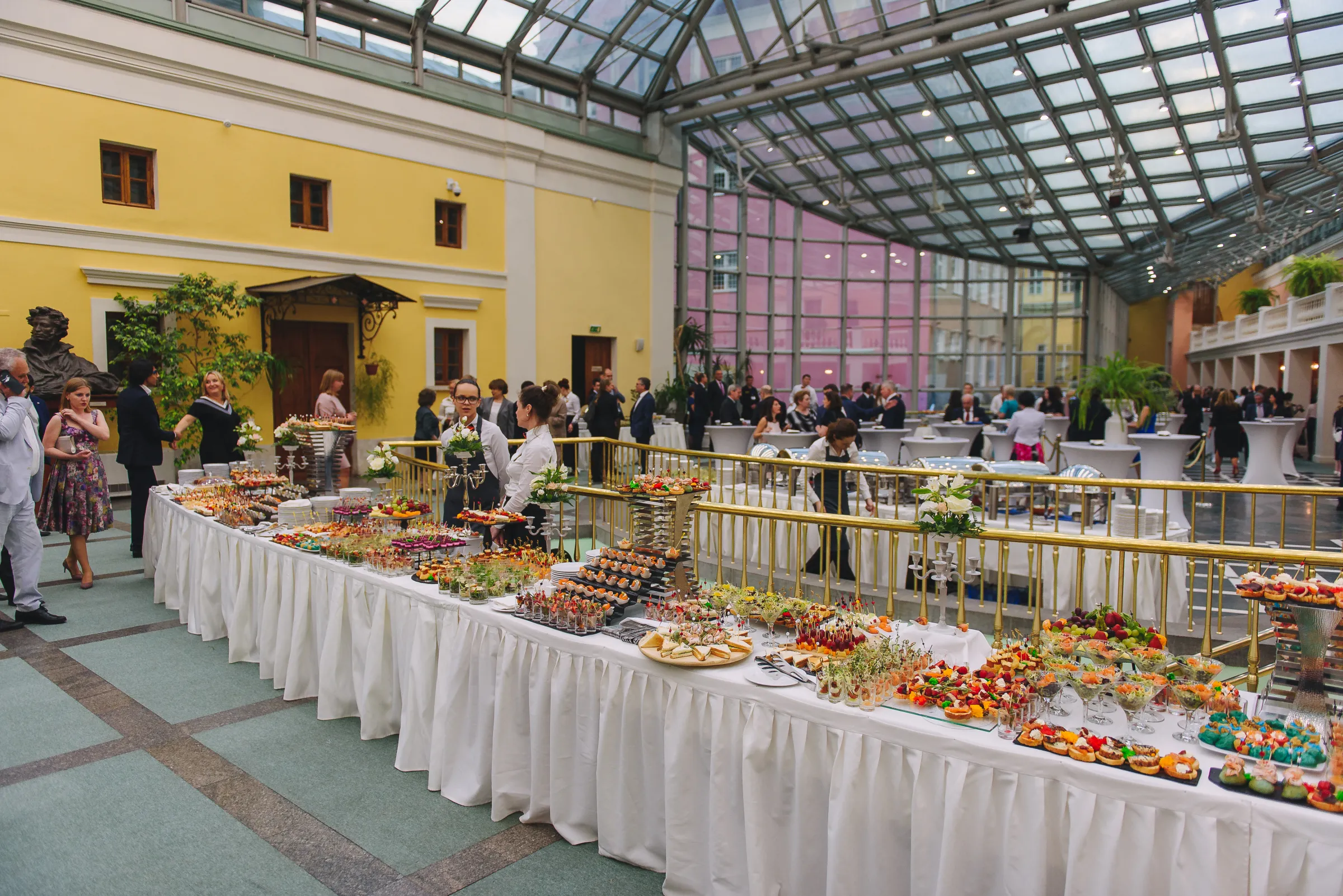
Unlike a classic buffet line, there is action here. The guest doesn’t just choose a ready-made dish; they observe the process, interact with the chef, and receive a more personalized experience.
This can be as simple as assembling a dish or as complex as full culinary work—everything depends on the event's concept.
Why it has become a stable format
Gastronomic stations have solidified as a trend due to their ability to create a lively environment within the event.
When movement, sound, and interaction appear in the space, the event ceases to be static. Guests engage, linger at the stations, return to them, and discuss what they’ve seen.
In this case, food becomes not only a taste but also an impression—and this aligns with the expectations of the modern audience.
Guest Engagement
Gastronomic stations change guest behavior.
If at a classic buffet a person quickly chooses a dish and leaves, here they stay longer. Interest in the process, the details, and communication emerges.
This format provides not only comfort but also an emotional response that is memorable.
Aesthetics and Visual Effect
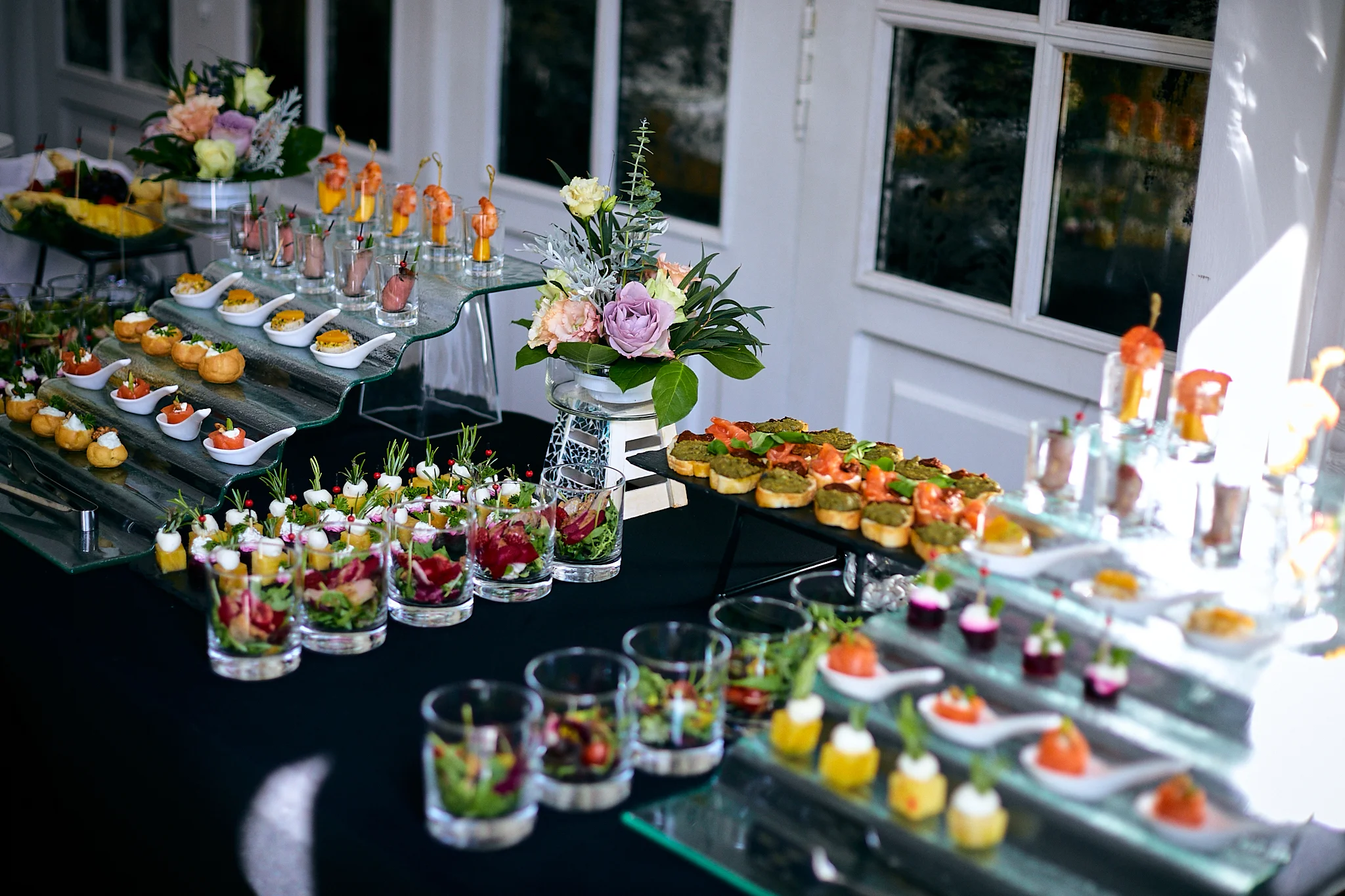
Stations work not only as a gastronomic element but also as a visual one.
They become part of the space, adding depth and creating accents. Because of this, the event is perceived as more thoughtful and layered.
At the same time, the effect is achieved not through excess but through precise, well-considered work with details.
Where the format shines
Gastronomic stations work organically in scenarios where atmosphere and interaction are important.
These can be business events, presentations, premieres, corporate events, or private dinners with a focus on gastronomy.
The format easily integrates as a standalone element or as part of the overall menu structure.
The Role of the Team
The team plays a key role in the operation of gastronomic stations.
It’s not only about the quality of the dishes but also about how the chef interacts with the guests, how the process is structured, and how organically the station fits into the overall scenario.
This is what transforms the format from a visual accent into a full part of the event.
Conclusion
Gastronomic stations are not a temporary trend but an established catering format.
They respond to guests' requests for engagement, live interaction, and a deeper experience. When the format is implemented precisely, it becomes part of the atmosphere and enhances the overall impression of the event.
At Concept Catering, gastronomic stations are always viewed as an element of the scenario, not as a separate solution.