Introduction
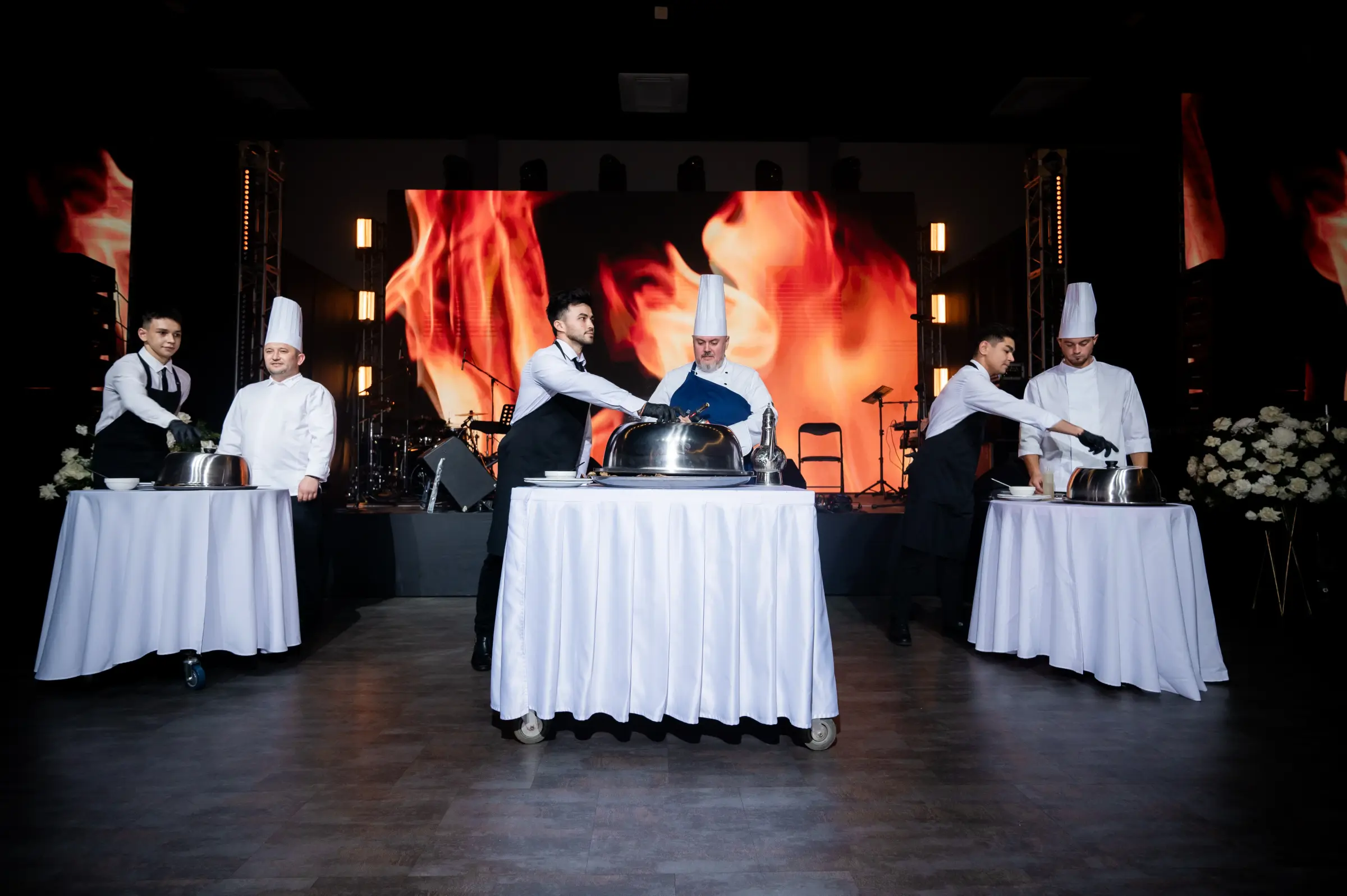
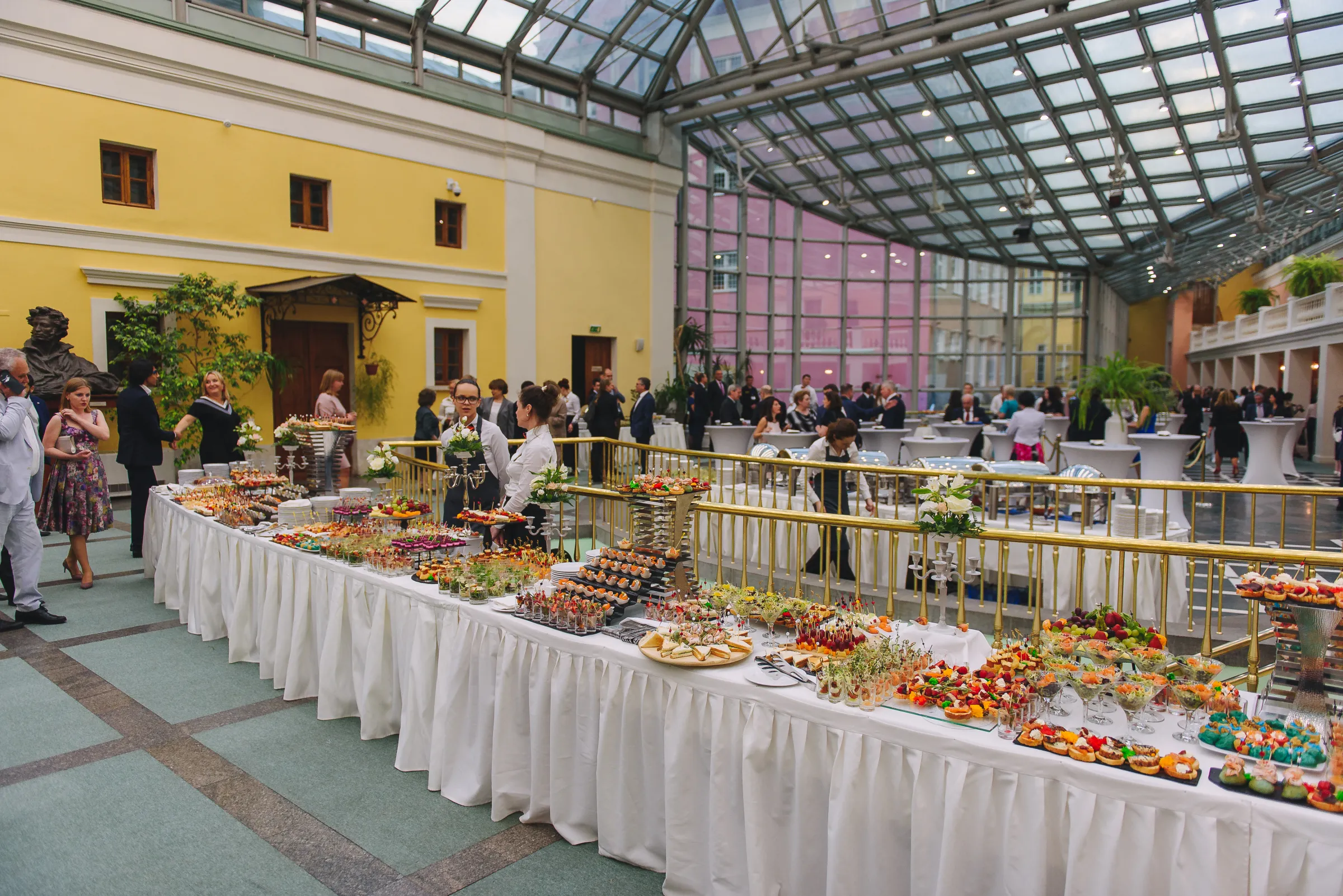
Guests arrive at the event where everything is already prepared: neat table settings, carefully arranged dishes, calm staff work, and a feeling that everything is happening smoothly and naturally.
But behind this feeling lies the precise and coordinated work of the team, which begins long before the guests arrive.
Preparing the venue is one of the most responsible stages of catering, where it is important not only to get everything done on time but also to build a system that will operate seamlessly throughout the event.

Arrival and Unloading
The work begins with the team's arrival at the venue.
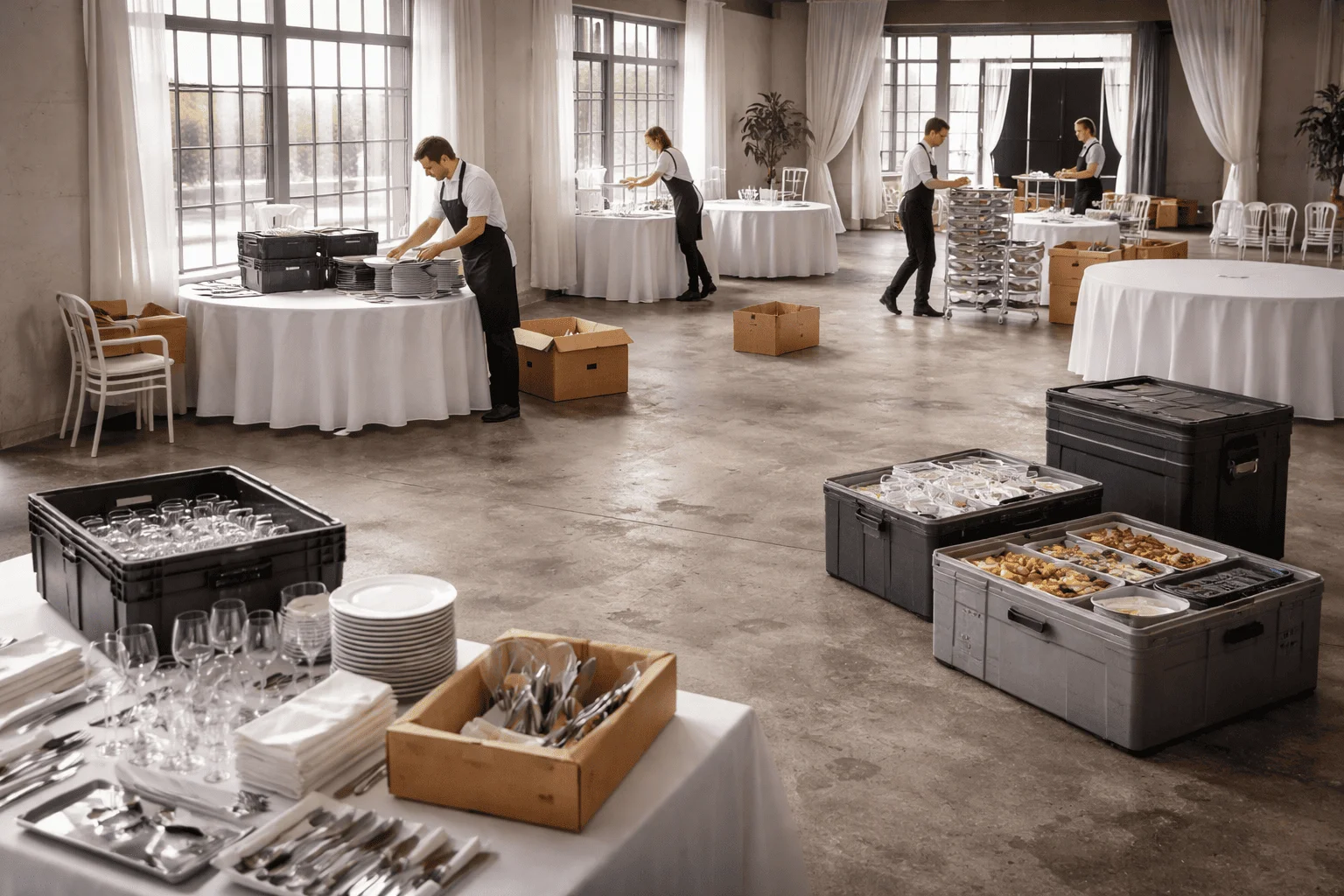
Along with the kitchen and service, everything necessary arrives:
products and semi-finished goods
equipment
dishes and textiles
serving elements
It is important not just to deliver everything to the location, but to organize the unloading and distribution by zones effectively, so that the team can work quickly and without unnecessary movements later.
Organizing Work Zones
After unloading, the internal logic of the venue begins to take shape.
Key zones are established:
kitchen and finishing
service area
storage
technical zones
Each zone must be organized in such a way that employees do not interfere with each other and can work in parallel without creating chaos.
Kitchen Preparation
Even if there is no full kitchen at the venue, the team sets up a workspace for preparing and finishing dishes.
At this stage:
equipment is checked
ingredients are prepared
finishing processes are initiated
timing is established
The kitchen begins working long before the event starts, so that everything is ready for serving by the time guests arrive.
Setting and Details
While the kitchen is working, the service team is also active.
This includes:
arranging tables and furniture
setting dishes and textiles
preparing serving areas
final checks of details
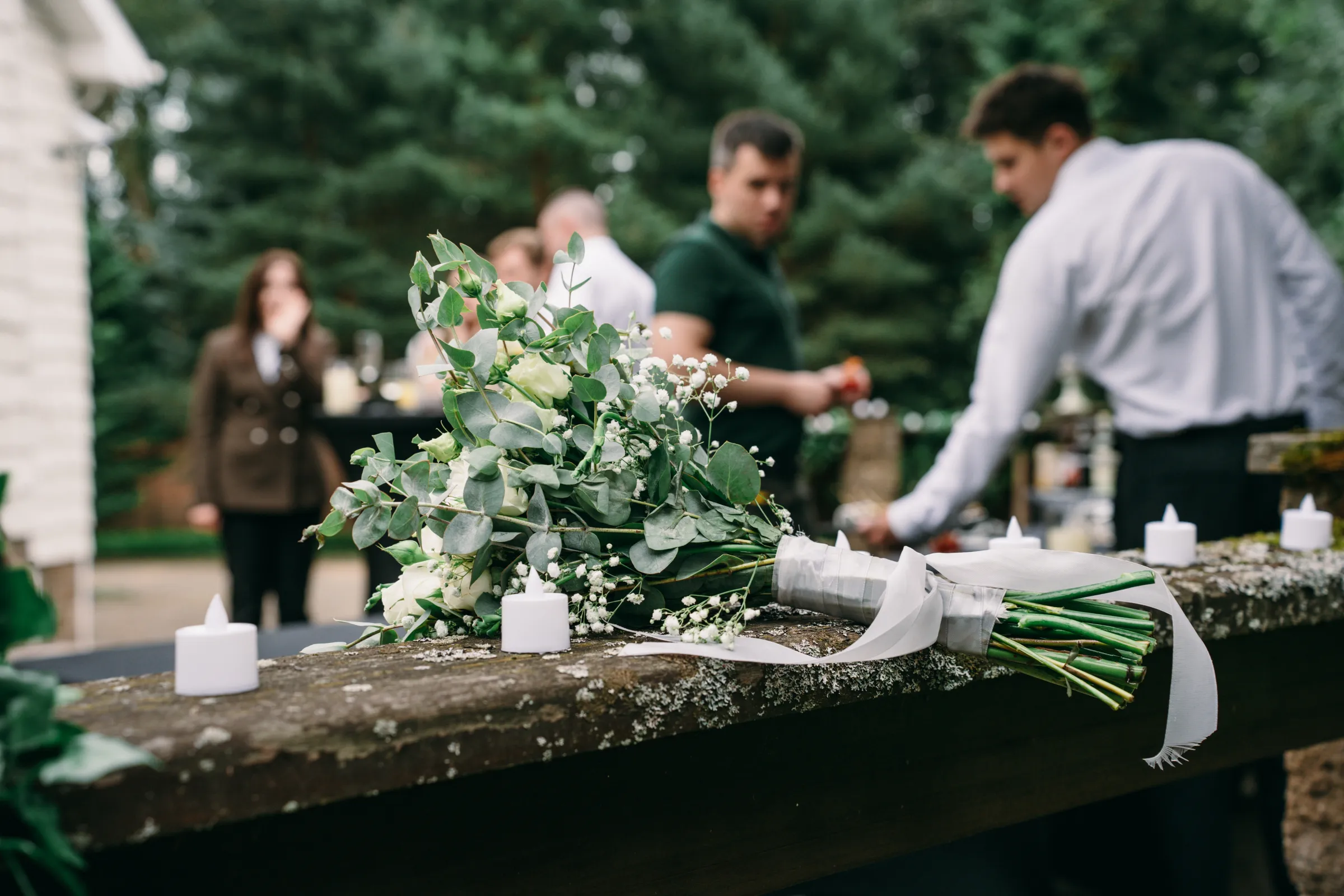
It is here that the visual perception of the event is formed. Neatness and attention to detail directly affect the first impression of the guests.
Team Briefing
Before the event begins, a short briefing is held.
The team synchronizes on key issues:
event scenario
serving timing
areas of responsibility
client and guest specifics
This allows all participants to work as a unified system, without unnecessary clarifications during the process.
Final Check
20–30 minutes before the start, a final walkthrough of the venue is conducted.
The following is checked:
kitchen readiness
state of the setup
availability of all menu items
appearance of the team
After this, the team enters a waiting mode for the guests — calm, collected, and fully ready to work.
Conclusion
Preparing the venue is the invisible part of catering that determines the quality of the entire event.
When all processes are set up correctly, guests do not notice the complex work behind the scenes — they simply feel the comfort, attention, and thoughtfulness of every detail.
It is this precision and calmness that form the foundation of Concept Catering.