Introduction
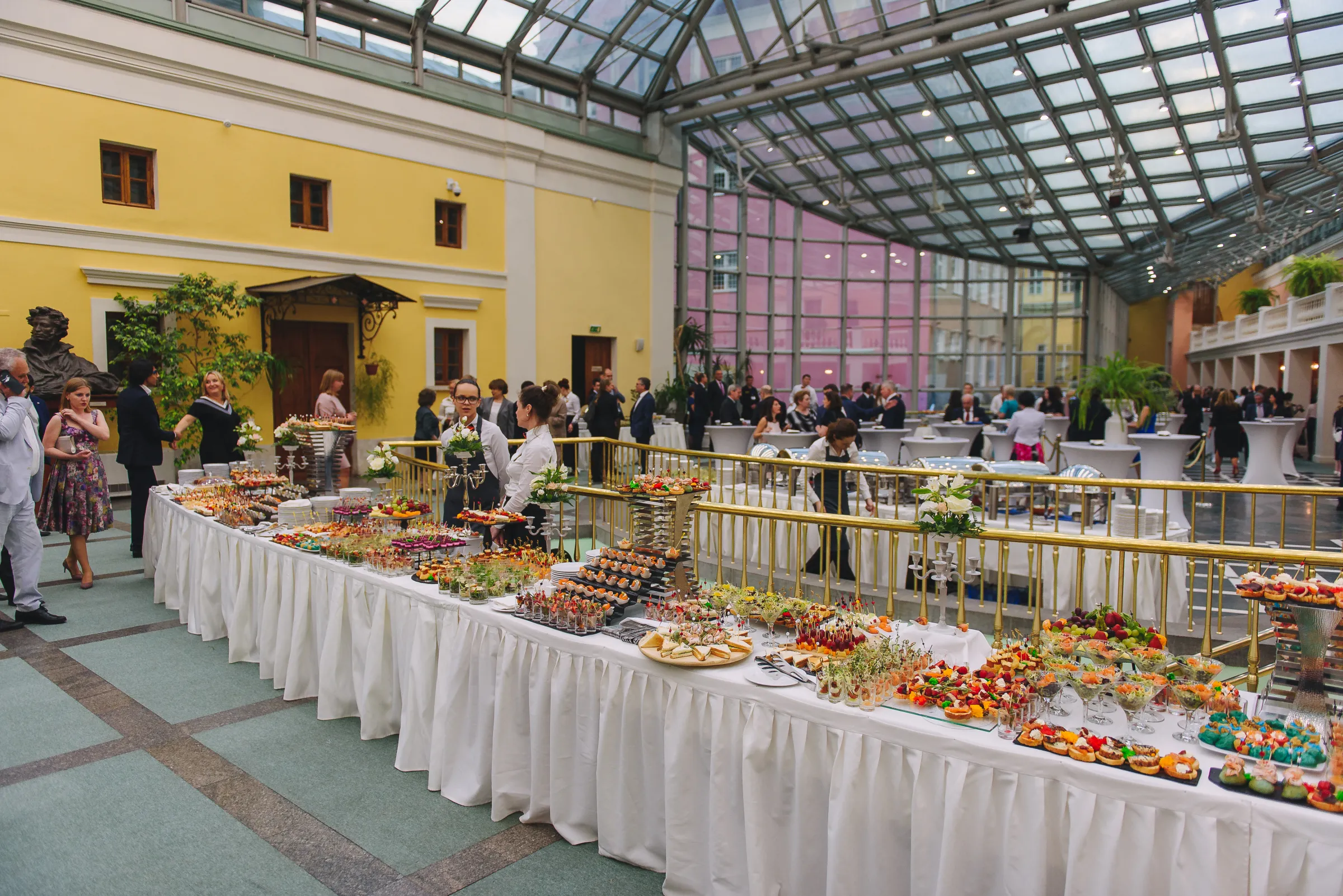
A buffet seems like the simplest format for an event.
There’s no seating, no complicated table settings, guests move freely, and the atmosphere feels light and relaxed. That’s why many believe it’s the easiest to organize.
But in practice, it’s the buffet that often breaks down in the details. And if something goes wrong, it becomes noticeable almost immediately.
Over the years, we have seen the same mistakes that can ruin the impression of even a good project.

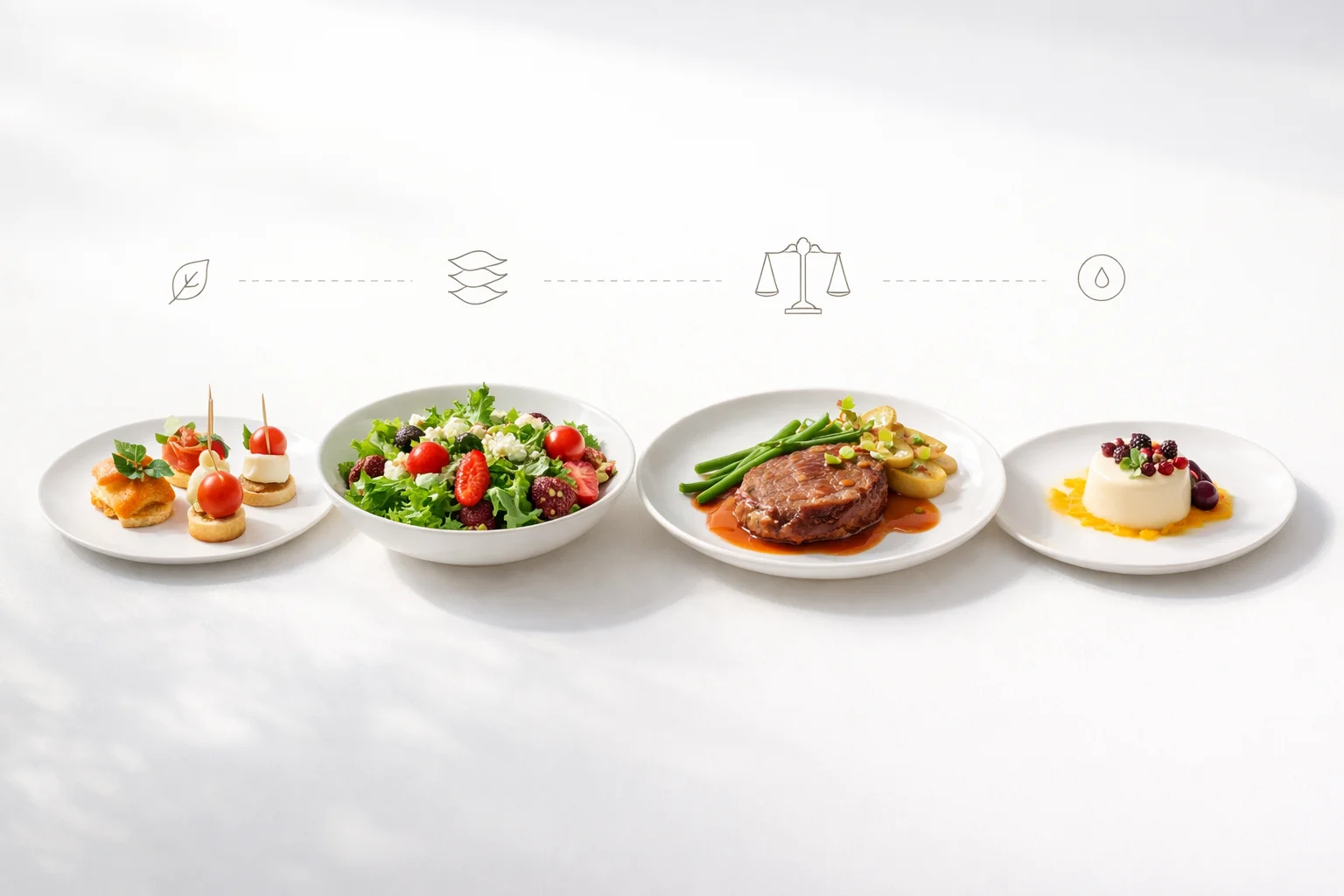
Mistake #1. Too Dense or Heavy Menu
A buffet is a format of movement and communication.
When the menu becomes too rich or heavy, guests lose the sense of lightness. It becomes uncomfortable for them to eat, uncomfortable to communicate, and the overall feeling of the event changes.
The food should support the rhythm of the event, not slow it down.
Mistake #2. Insufficient Amount of Food
Trying to "optimize" the menu often results in having less food than needed.
And this is always felt. Even if guests don’t directly mention it, a sense of scarcity arises, affecting the overall perception of the event.
Balance is critical here: it’s important not to overload but also to avoid a deficit.
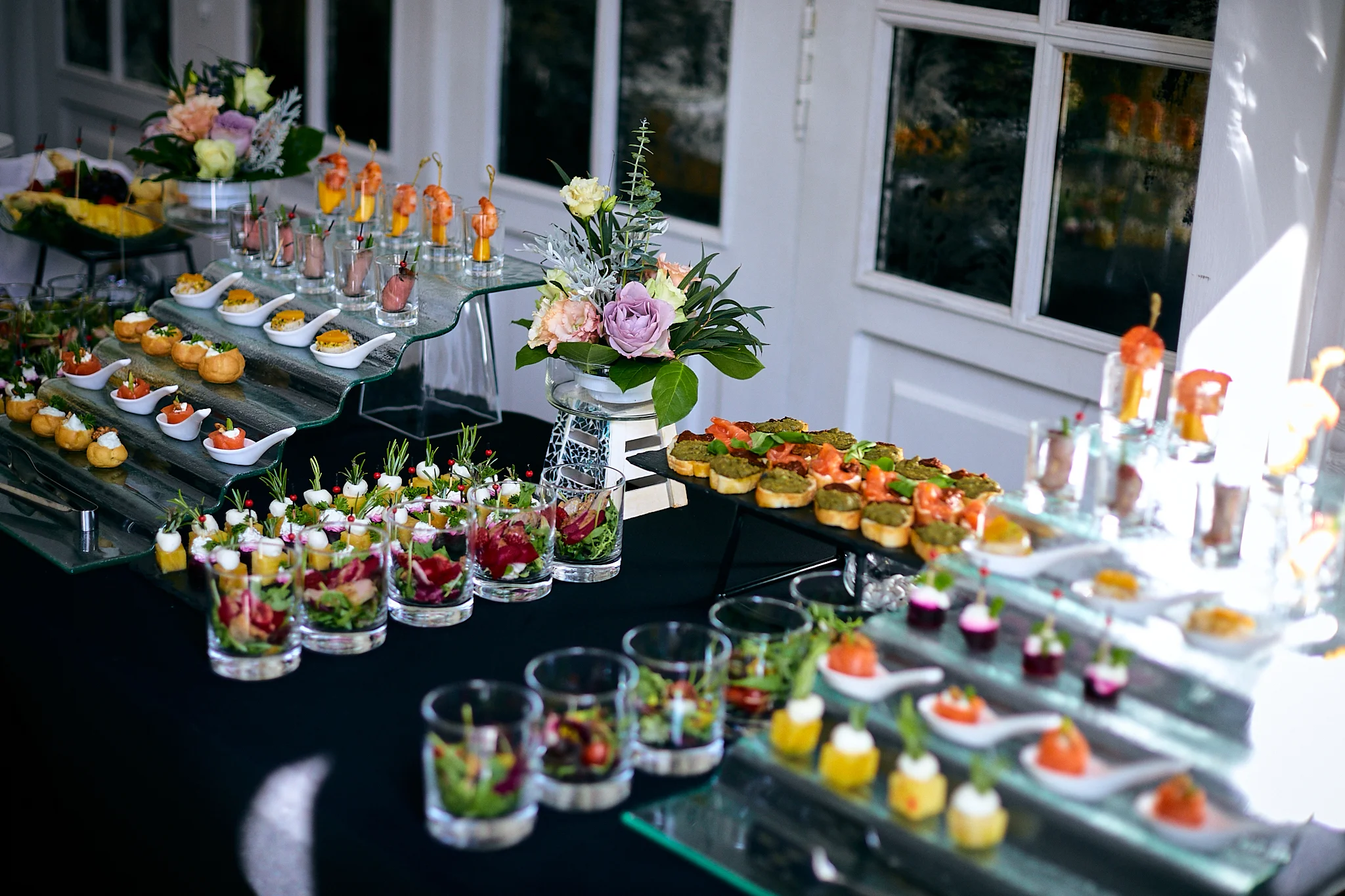
Mistake #3. Lack of Logic in Presentation
When dishes are placed chaotically, guests start to get lost.
Queues form in unexpected places, some items go unnoticed, while others run out too quickly.
The buffet line should be designed so that the movement of guests feels natural.
Mistake #4. Lack of Service
A buffet does not mean the absence of service.
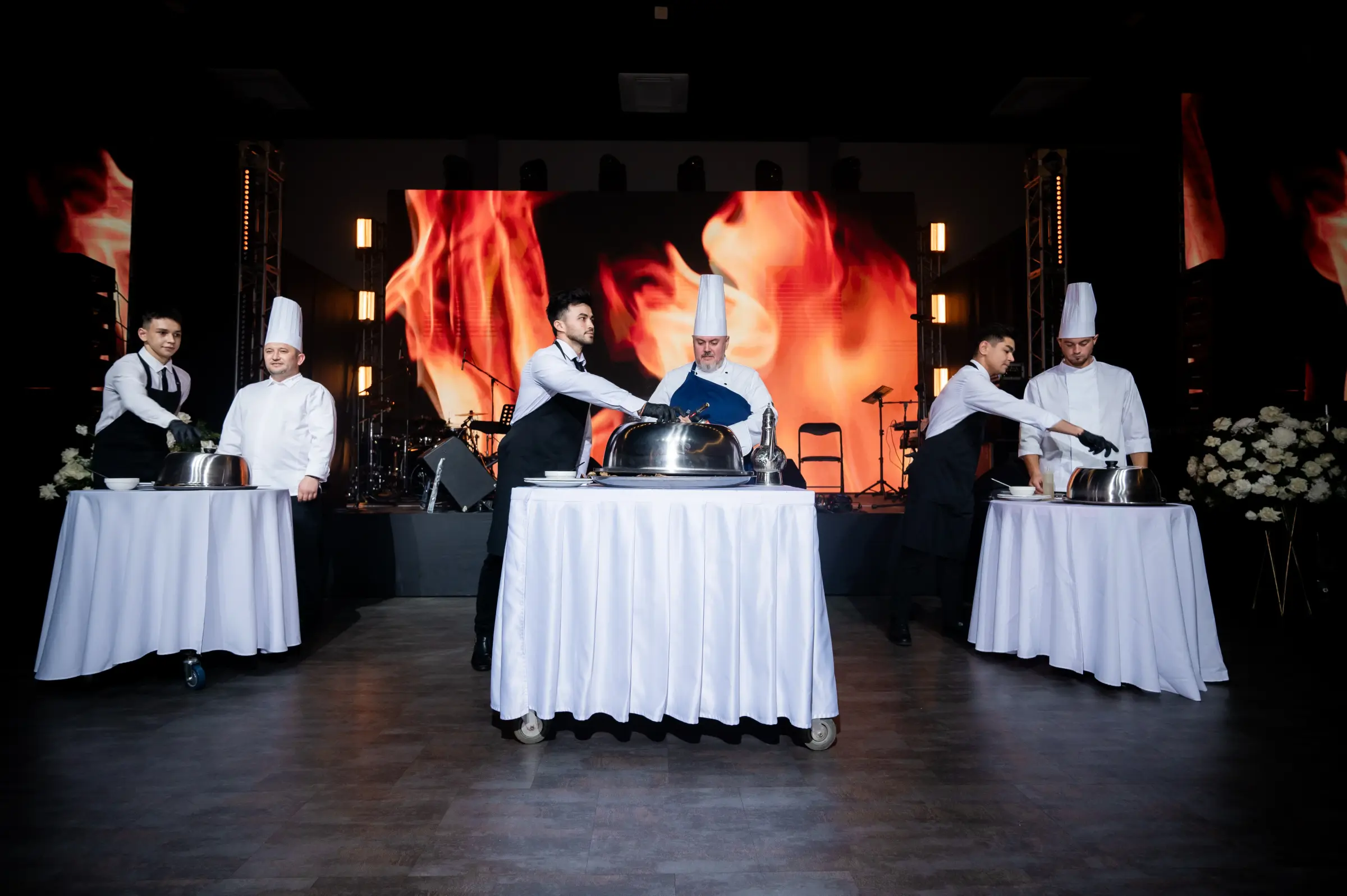
On the contrary, in this format, the work of the team is especially important: timely clearing of dishes, guiding guests, helping with choices, maintaining order.
Without this, the space quickly loses its neatness and rhythm.
Mistake #5. Ignoring the Venue
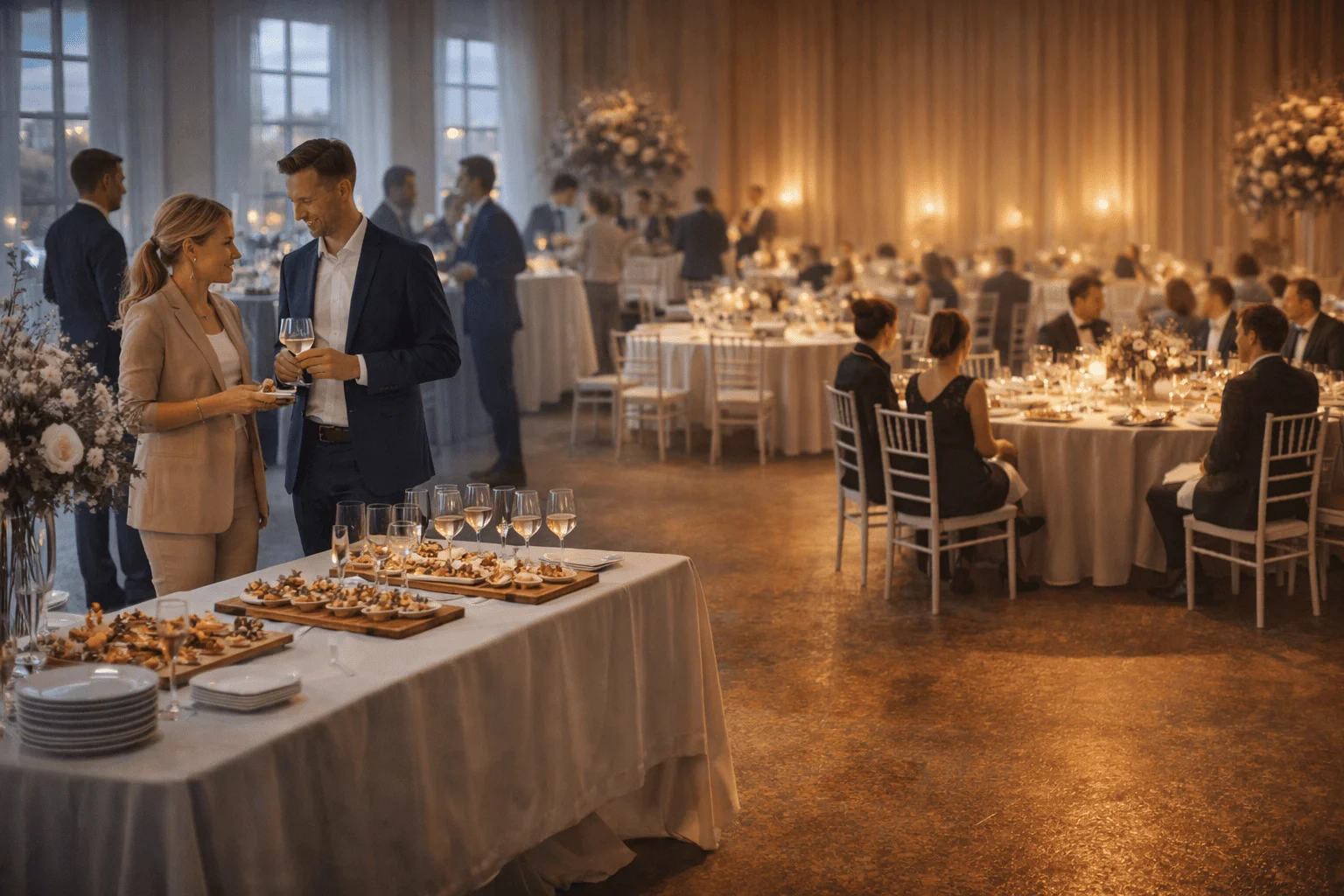
The same buffet can work completely differently depending on the space.
The size of the hall, the location of entrances, lighting, guest flows—all of these factors influence how the event will be perceived.
If the venue's features are not taken into account, even a good concept may not unfold.
Mistake #6. Relying Only on Food
Sometimes a buffet is perceived solely as a set of dishes.
But for the guest, the overall experience matters: atmosphere, presentation, interaction, mood.
When the focus is only on food, the event may be correct but not memorable.
Mistake #7. Lack of a Unified Concept
The most common mistake is the absence of a single idea.
When the menu, decor, and service exist separately from each other, the buffet loses its integrity.
And it’s this integrity that creates the feeling of a well-thought-out event.
Conclusion
A buffet is a simple format only at first glance.
In practice, it requires a precise balance between food, space, and team work.
When all elements are connected, the event feels easy and natural. And this becomes the main sign of quality organization.