Introduction
One of the first questions that arises when preparing an event is the choice of format: buffet or banquet.
At an intuitive level, the difference between them seems obvious. However, this choice largely determines not only the organization of the event but also its mood, dynamics, and how guests will experience the evening.
The format influences everything: guest behavior, menu structure, team dynamics, and even how the event will be remembered overall. Therefore, it’s important not just to choose the familiar option but to clearly understand which format aligns with the event's objectives.
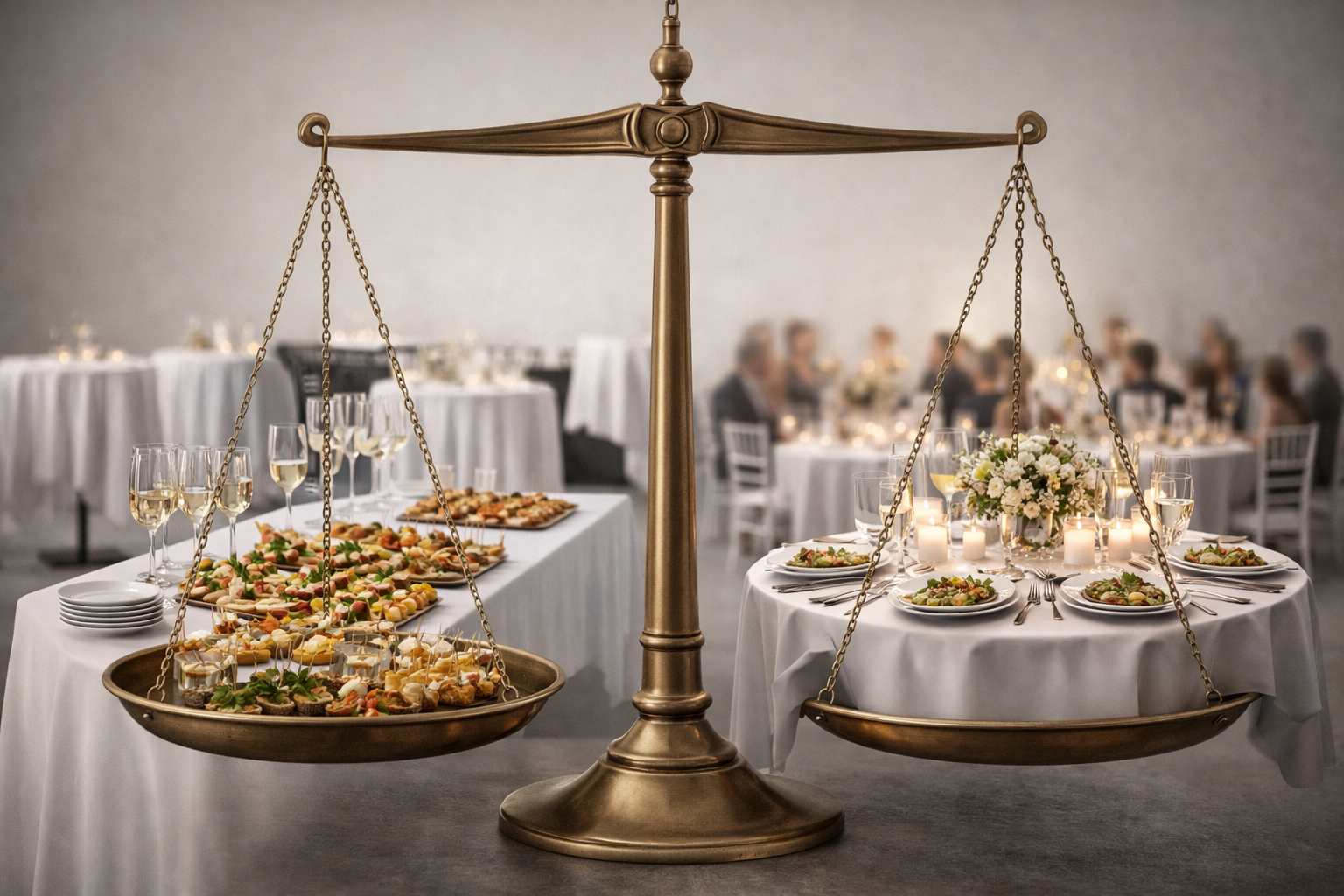
Buffet: Freedom of Movement and Ease of Communication
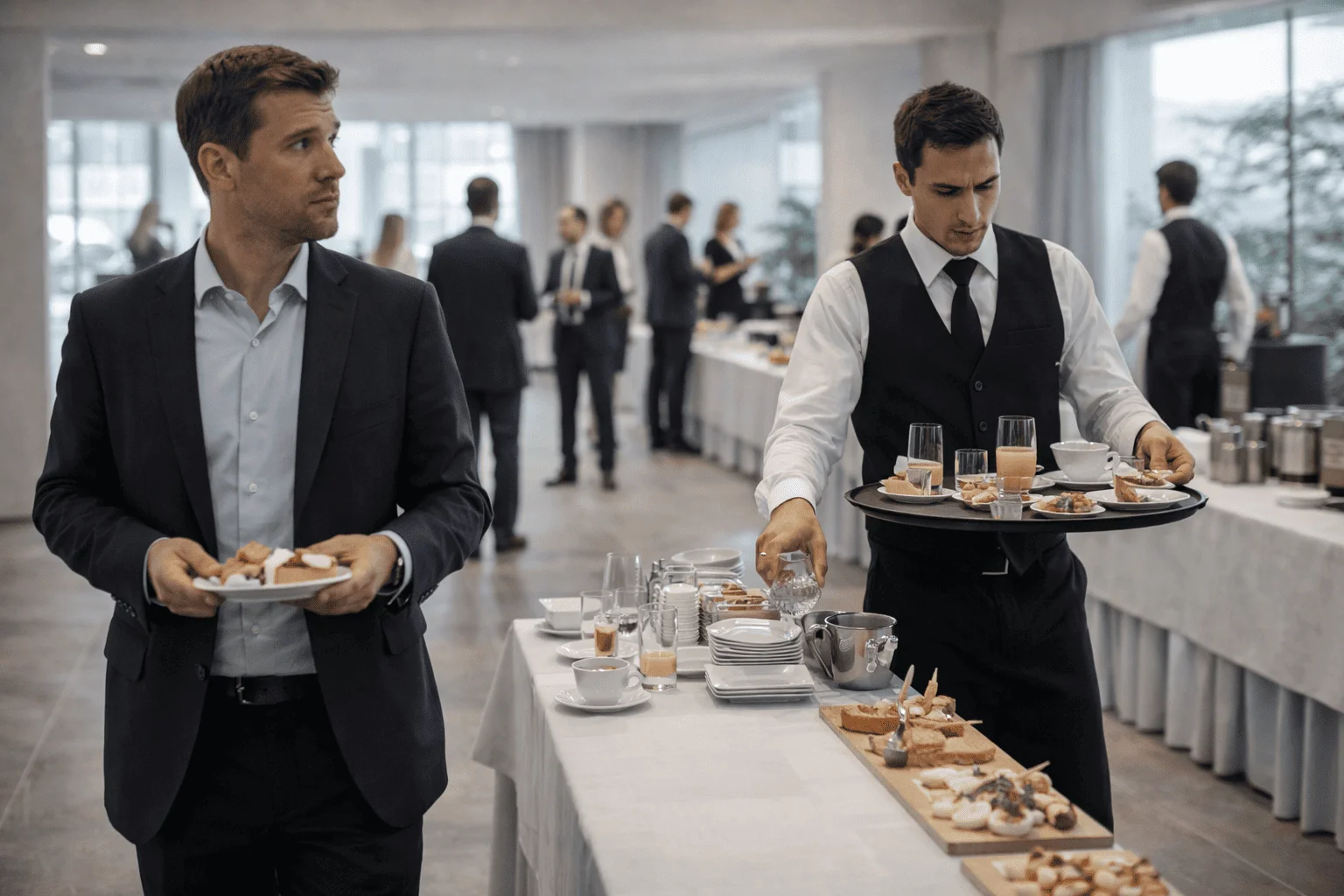
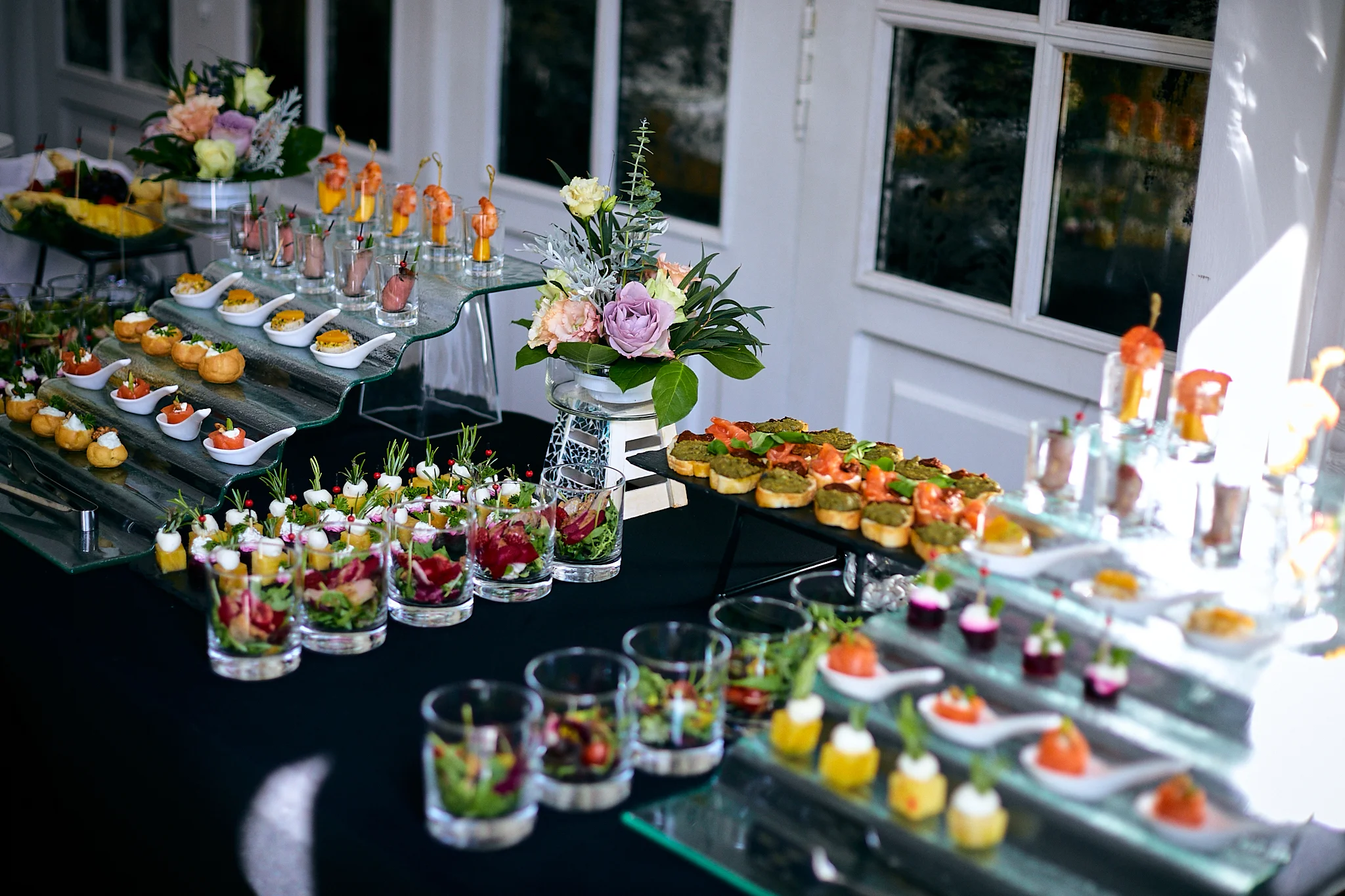
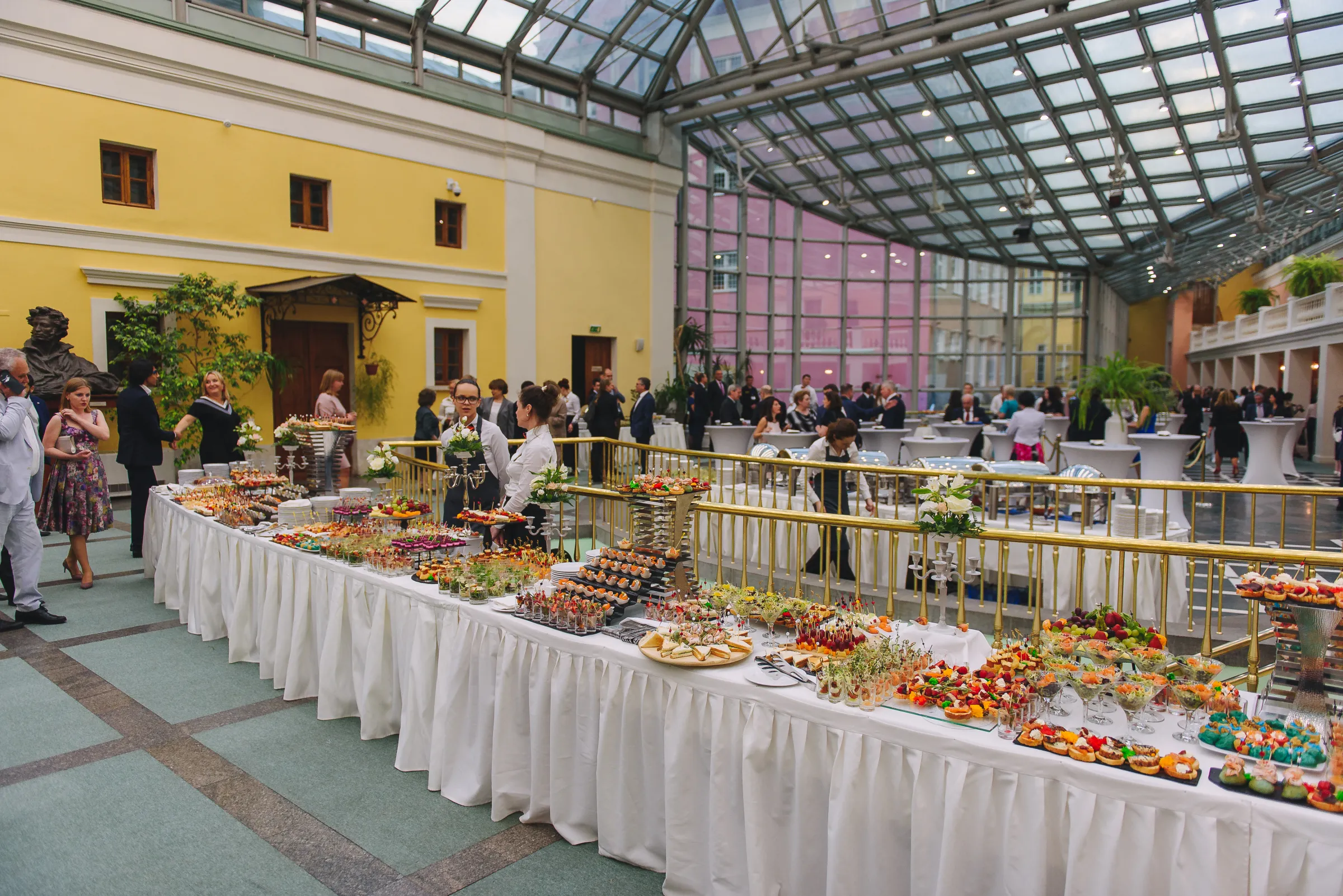
Buffet is a format where the space remains open, allowing guests to move freely, socialize, and choose when and what to try.
This format creates a sense of lightness and informality. There’s no strict attachment to a place, no rigid sequence of actions — everything happens naturally, in a lively rhythm.
The buffet format works particularly well for events where communication and dynamics are important: business meetings, presentations, corporate events. It allows for a large number of guests to gather without creating a feeling of density or overcrowding.
Banquet: Structure and Attention to Detail
Banquet, on the other hand, sets a more organized and measured rhythm.
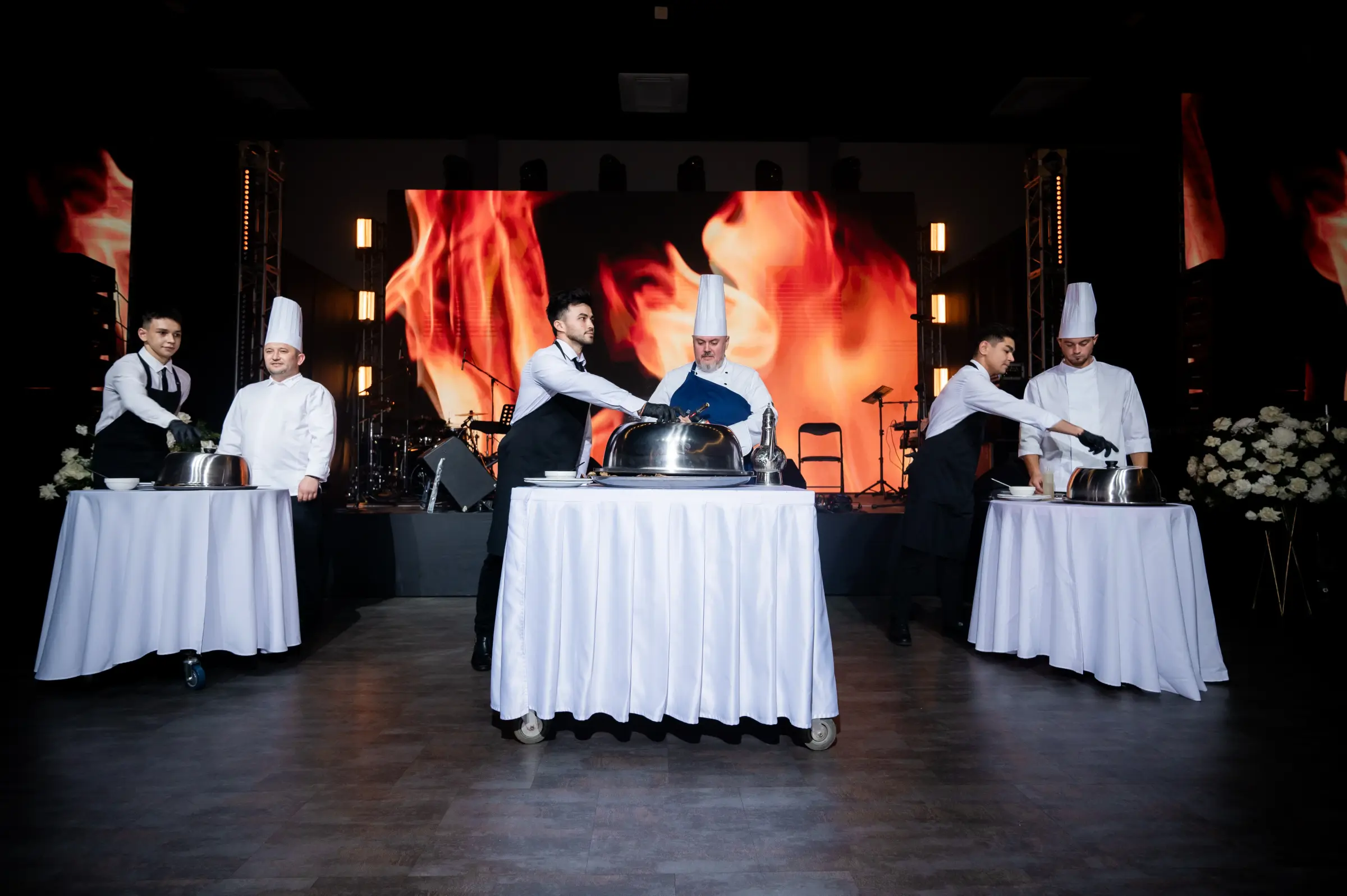
Guests are seated at tables, dishes are served sequentially, and the event itself is structured according to a specific scenario. In this format, there is more attention to detail, presentation, and the dining process itself.
The banquet creates a sense of completeness and solemnity. It is suitable for events where atmosphere, attention to each guest, and the ability to build a deeper, calmer connection are important.
How Format Influences the Atmosphere of the Event
The difference between a buffet and a banquet is not just about organization but also about the feeling of the event.
A buffet always provides more freedom and movement. Guests find it easier to meet each other, engage in conversation more quickly, and the space becomes more “alive.”
A banquet, in turn, creates stability. It gathers attention, helps maintain the structure of the evening, and makes the event more cohesive and organized.
This is why the same group of guests can experience the event very differently depending on the chosen format.
Combined Solutions
In practice, mixed formats are increasingly being used.
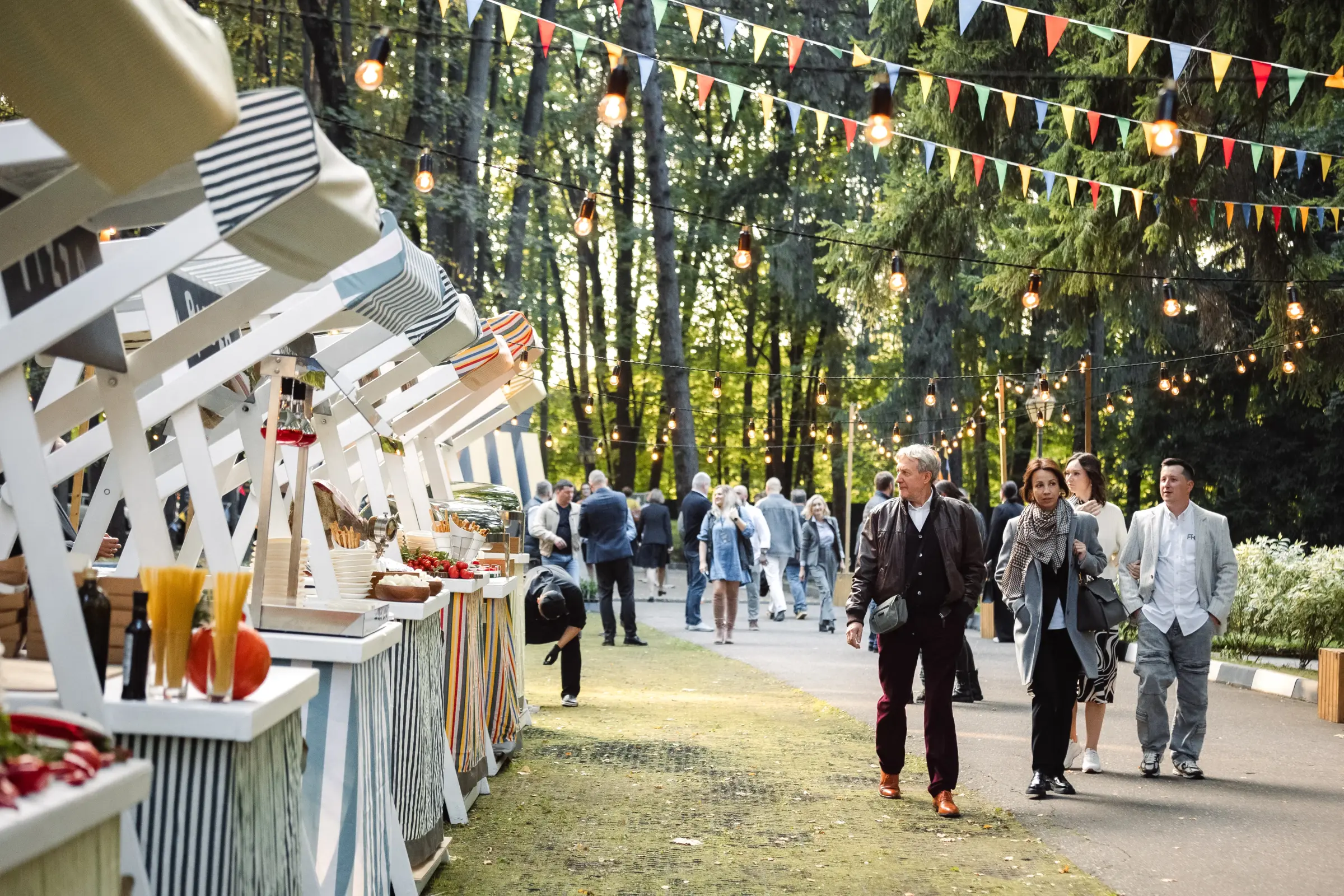
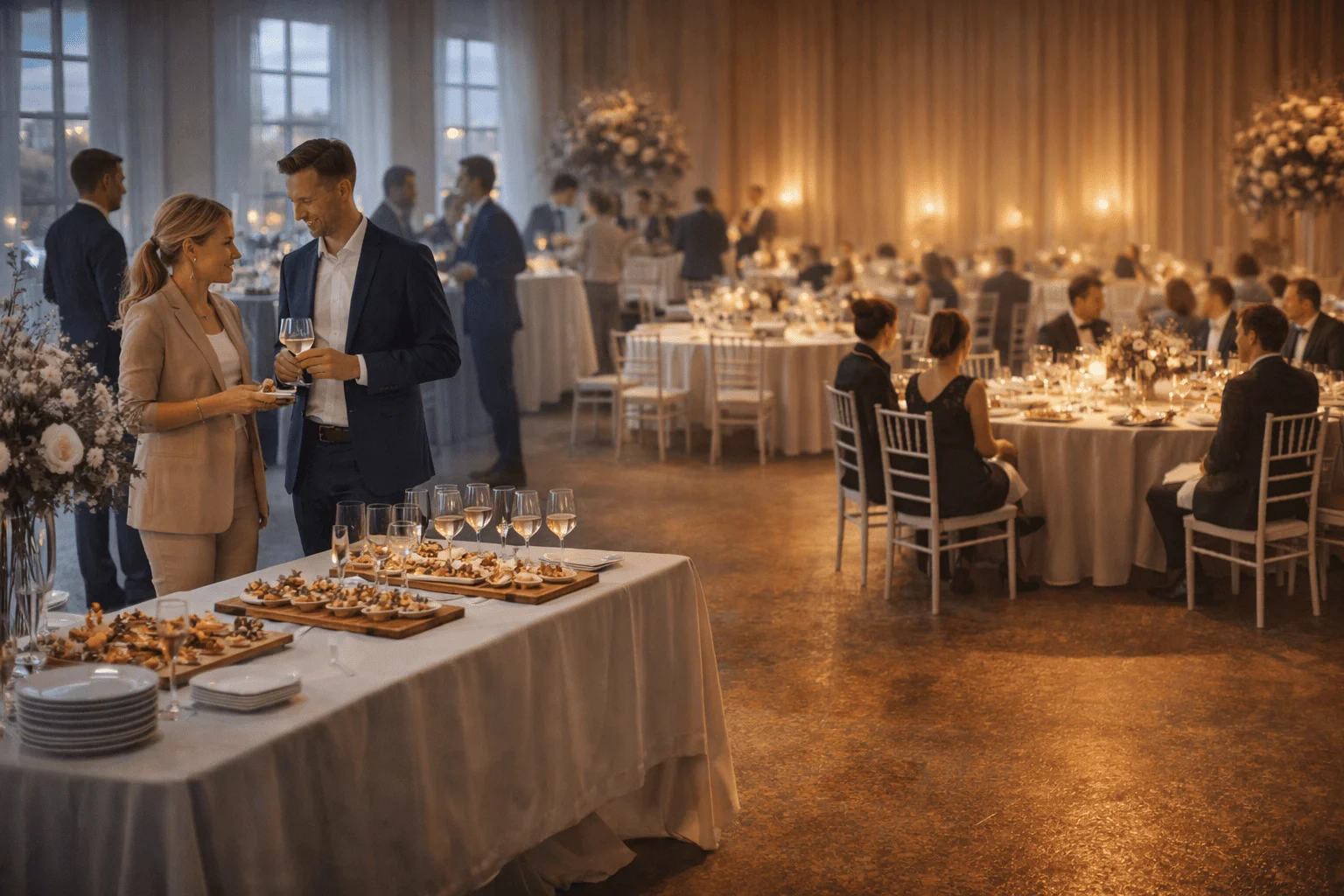
For example, an evening can start with a buffet that sets a light and open mood, and then transition into a banquet portion. Sometimes, gastronomic stations are added to the banquet to maintain dynamics and variety.
Such solutions allow for the best of both formats to be combined and create a more flexible event scenario.
How to Make the Right Decision
The choice of format always begins with understanding the objectives.
It’s important to consider not only the number of guests or budget but also the atmosphere you want to create, how the evening's scenario will unfold, and what impressions you want guests to take away.
When the format is chosen correctly, it starts to work for the event — enhancing it and making it feel natural.
Conclusion
Buffet and banquet are not just different formats; they are different ways of experiencing an event.
The right choice is not always obvious, but it largely determines how harmonious and well-thought-out the event will be.
At Concept Catering, the format is never chosen formally — it becomes part of the overall system of the event and works towards its idea.